This is the account of an expedition cruise around the Falkland Islands in March 2020. This is the final instalment of the cruise on MS Fram, an explorer ship run by Hurtigruten, which visited the Antarctic Peninsula, South Georgia and the Falkland Islands.
This blog only shows a few of the pictures from the trip. Many more can be seen in the YouTube video (link at the end).
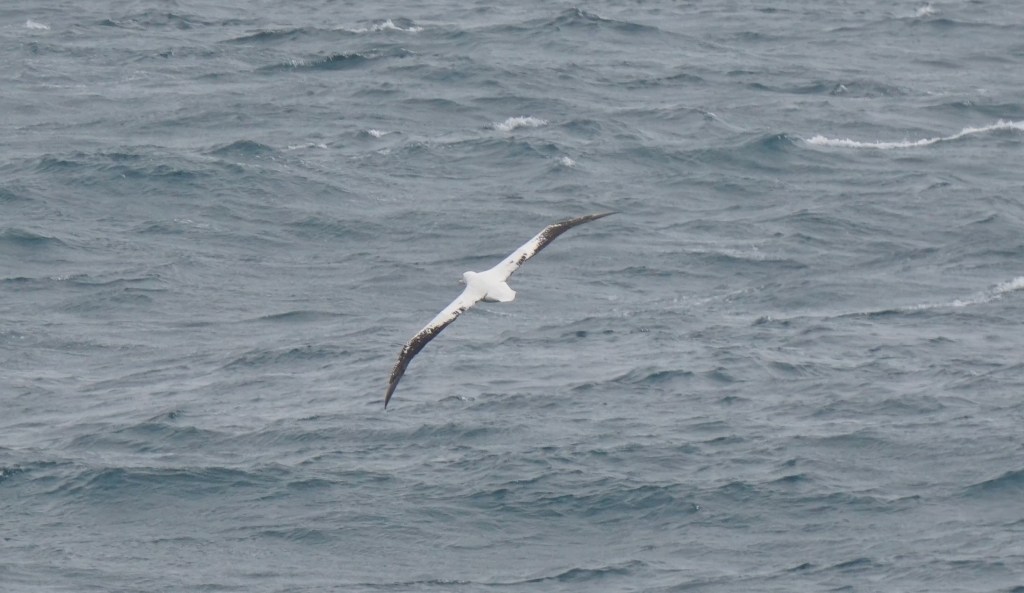
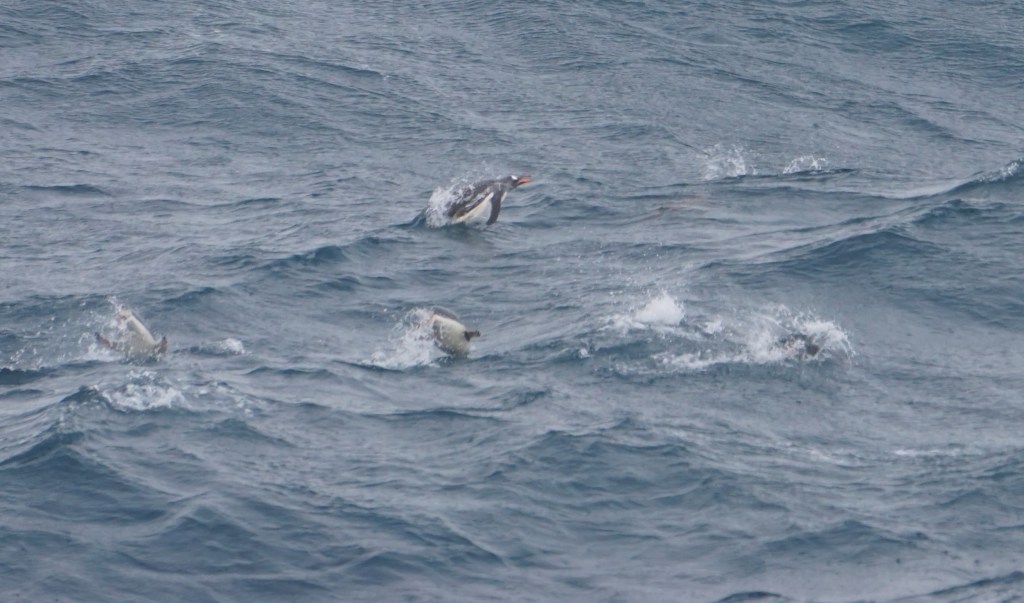
We were at sea for two days from South Georgia to the Falkland Islands. While at sea there were albatross and petrels and other sea birds. There were also hourglass dolphins – black and white – swimming beside the ship.

The Falkland Island trip began at Stanley, the capital of the Islands, where I went on a nature walk from Whalebone Cove to Gypsy Cove. The weather started out misty but the sun came out later. The guide pointed out many birds and plants that live on the Falklands.
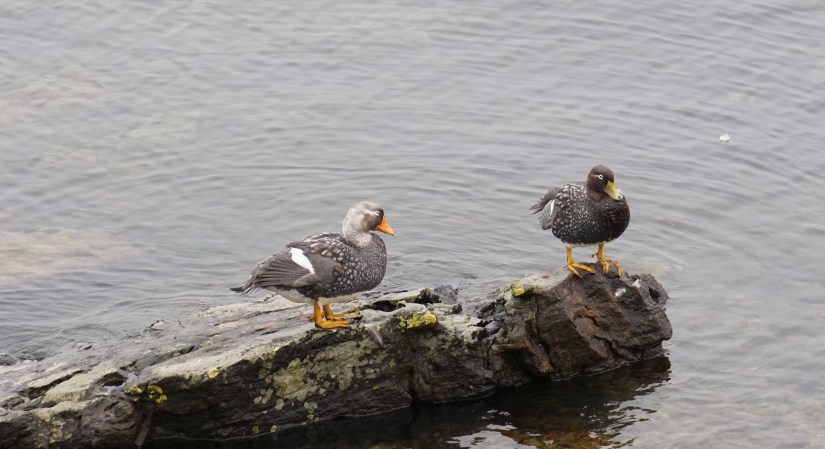
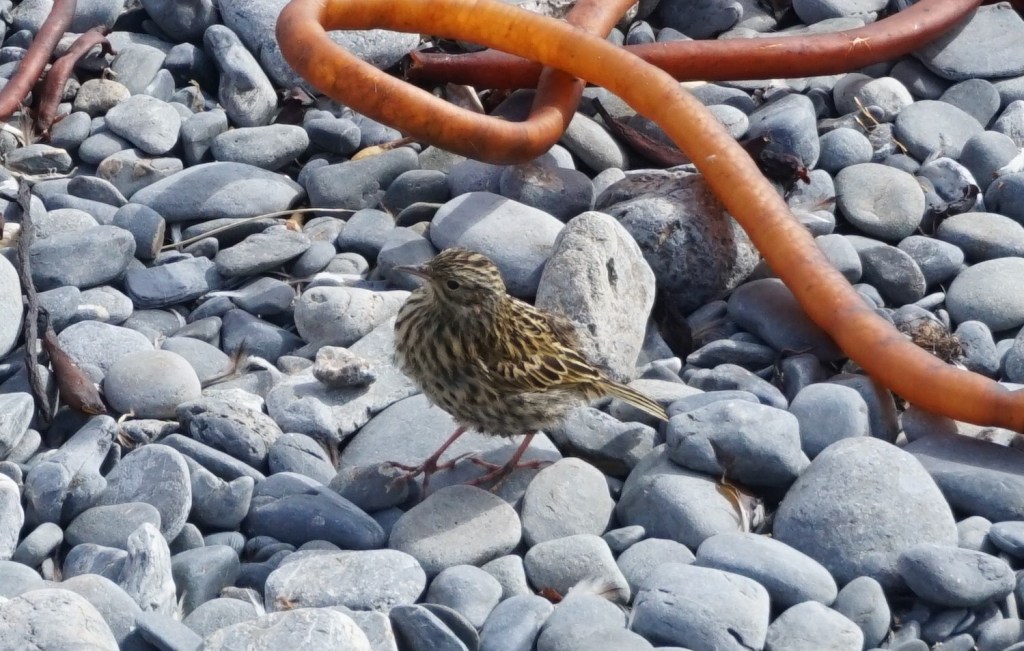
I saw upland goose; kelp goose; turkey vulture; Falklands skua; blackish oystercatcher; pied or Magellanic oystercatcher; Falklands steamer duck, known locally as the Logger Duck, a flightless bird found only on the Falklands; Falklands thrush; long-tailed meadowlark; dark-faced ground tyrant; Magellanic or Jackass penguin; black-crowned night heron.


We saw some low-growing plants that were diddle-dee bushes. They had red berries which are made into jam – they also make a sauce similar to cranberry sauce that goes well with upland goose. We also saw scurvy grass which had a citrus taste, wild celery, small fern, tall fern, tussac grass, native boxwood (hebe), marsh marigold and balsam bog which looked as though it was moss growing on a rock but was the whole plant.

There are still mines from the Falkland War being found and disarmed.
In the afternoon I wandered about the town seeing the cathedral and an excellent historic dockyard museum. It was interesting seeing the post office with its red telephone boxes and post boxes – it seemed more British than home in England.

We then had excursions on several of the islands that make up the Falklands archipelago: Saunders, Carcass, West Point, and New Island.
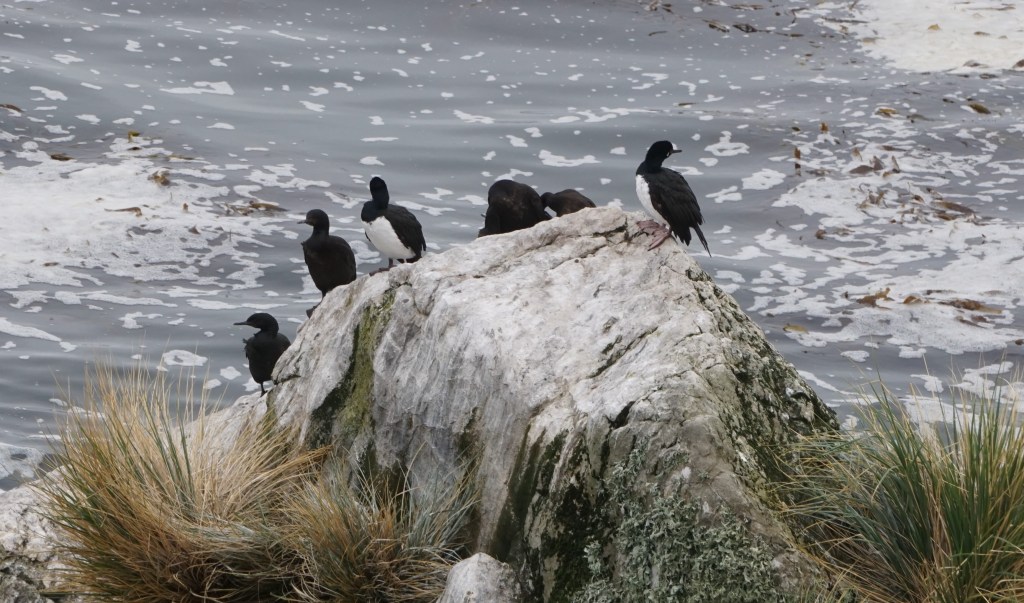
There were many shags flying around on the way to Saunders Island. The weather was clear skies and sun. Saunders Island had white sandy beaches and emerald water making it look quite tropical. No trees grow on the island.

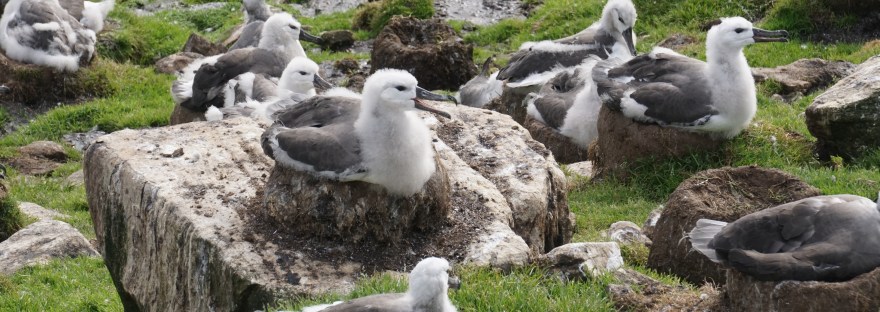
There were four colonies of penguins: magellanic, king, rockhopper and gentoo. It was quite a long walk up a hill, Mount Richards, to get to the rockhopper colony and then even higher to the black-browed albatross rookery with the babies on their nests. Some were starting to fledge and were flexing their wings.

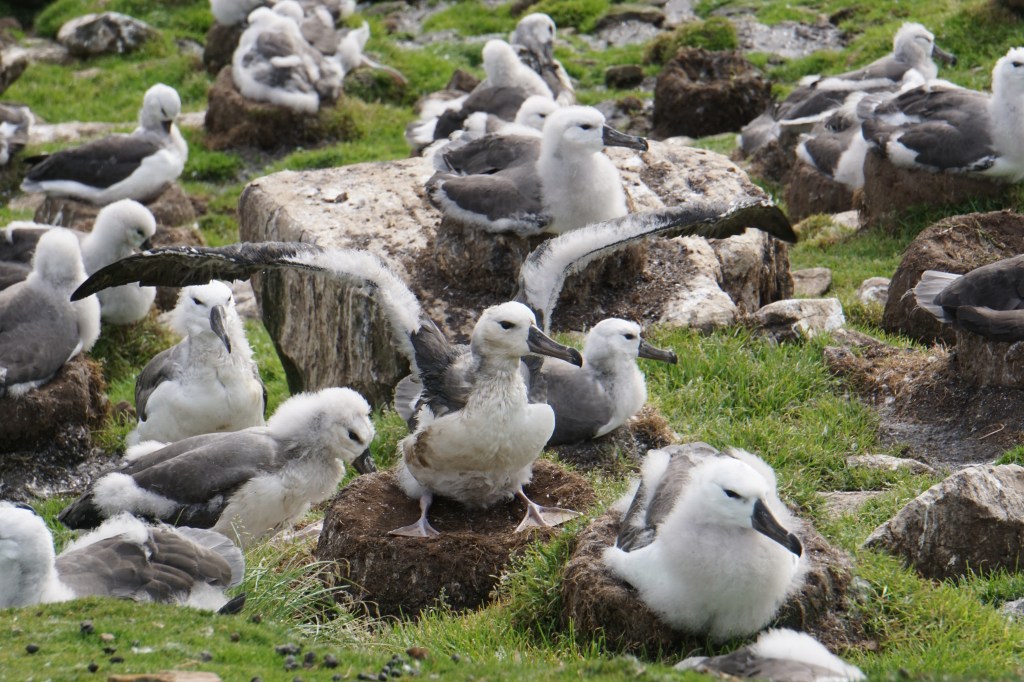
Saunders Island is privately owned and the owners have about 4000 sheep. It was strange seeing sheep and penguins together on the hillside. There was a shop which was a landrover with the owner of the island selling a few odds and ends from the back.

There were caracara birds which reminded me of pigeons in that they were pecking around looking for anything to eat. They are scavengers.
Next stop was Carcass Island which was only a short distance from Saunders Island. There was an 8k walk to Leopard Bay where there were more penguins. The walk was on grass over where the tractors go so it was an easy walk.
There were tussac birds – like small blackbirds – running around the beach. They were very tame. There were several caracara around as well as geese. The best part was seeing Cobb’s Wren – a bird endemic to the Falklands and then only on islands that are rat free. The wren was hopping about among the stones on the beach. It didn’t mind us standing there watching.
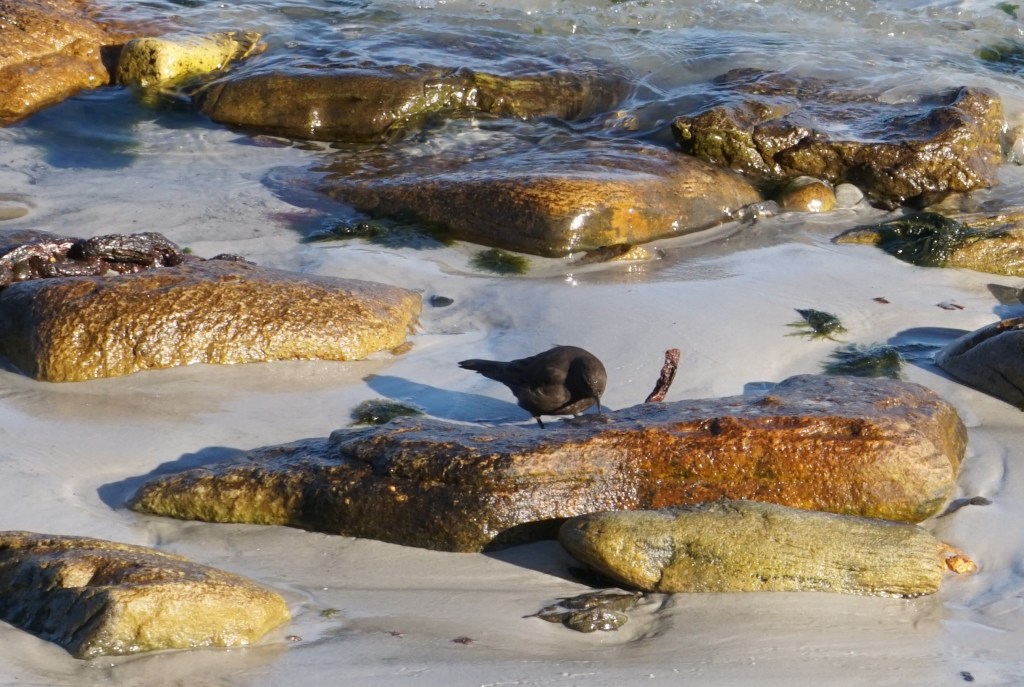

The next morning was a beautiful sunny day with just a few whispy clouds, perfect for exploring West Point Island. The water in the bay was extremely clear and the sand was fine and white with large smooth rocks and pebbles.
We walked from the jetty at West Point Island over rolling hills to the other side of the island where there was a colony of rockhopper penguins and albatross nesting together. The albatrosses were mostly ready to fledge. We had to walk through six feet high tussac grass to get to where we could see the birds on the cliff.
At one time a caracara came into the nesting area. All the penguins made a racket and pointed their beaks towards the caracara.
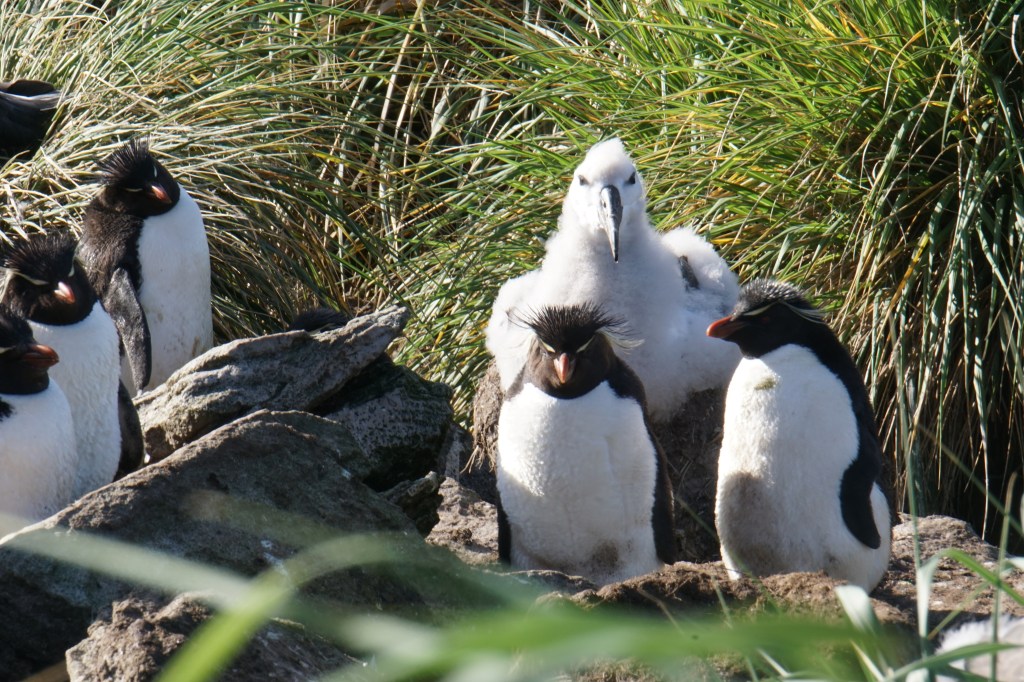
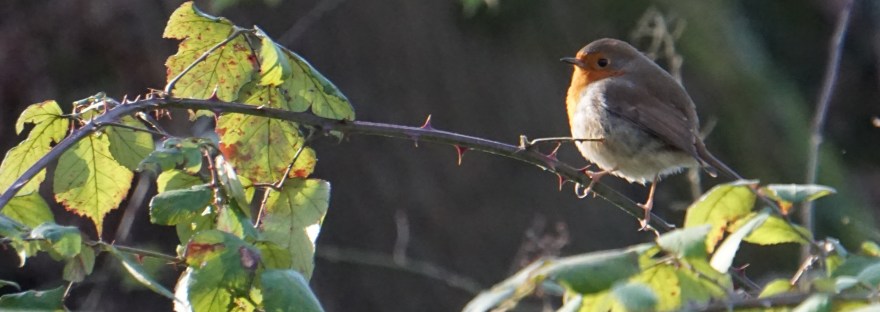
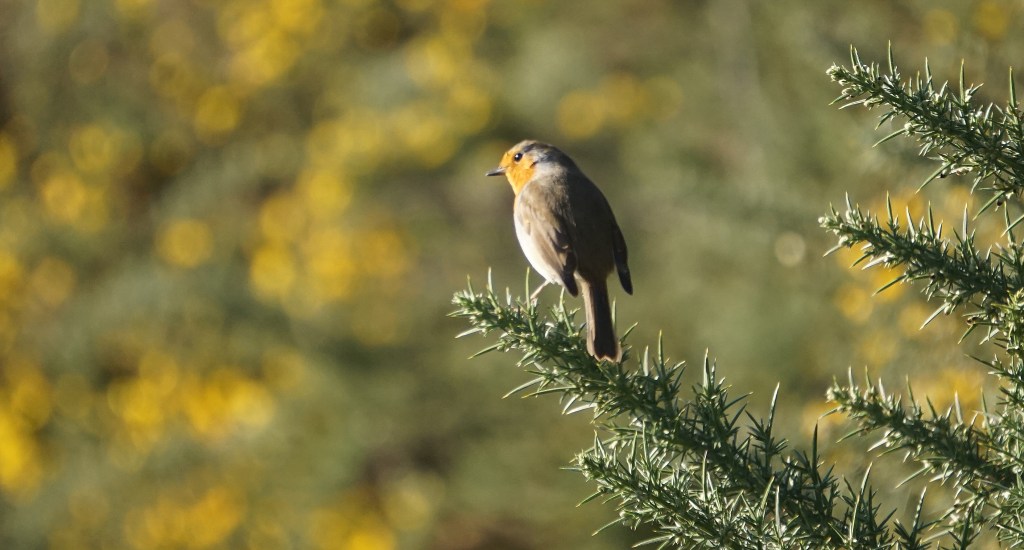
On the walk I saw several tyrants, long-tailed meadowlark (known locally as a robin or military starling because of its red breast) and a Falklands thrush which was similar to our thrush. A caracara went around the head of a couple of walkers in front of me.
Our final day in the Falkland Islands was New island. We landed firstly at South Harbour where there were rusty ruins of a whaling station that was active for about eight years in the early 1900s. The water in the bay was clear and there was a lot of seaweed about. On some rocks on the beach were hundreds of mussels. We walked up a hill over diddle dee bushes for a scenic view over the bay.

There was a colony of gentoo penguins. A group of them seemed curious and came down towards us from the colony. The group would follow each other down, then stop as the leader became a bit wary, then they’d walk down a bit further. Occasionally they’d stop, turn around and dash back before coming down again. There were also a few caracara gliding in the wind. They came quite close.
Our final stop was Settlement Harbour. There were a couple of houses, a museum and a gift shop (closed). The water again was very clear and the beach fine white sand. In the water was the wreck of a boat, Protector, from the late 1930s. She was brought to the Falklands for a sealing venture and was eventually run onto the beach at Settlement Harbour.
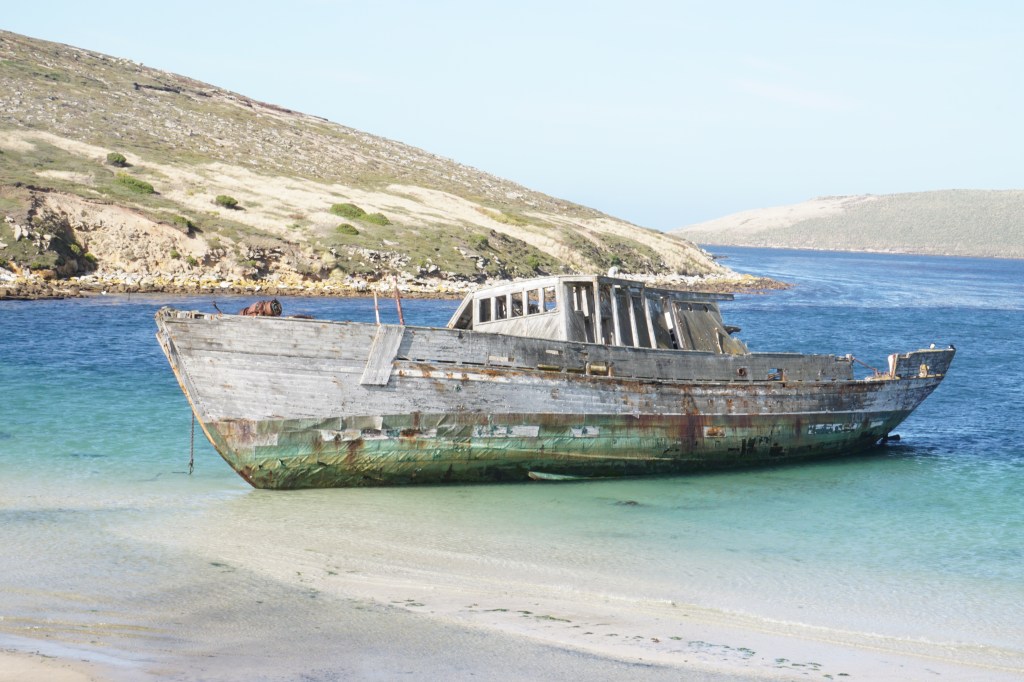
On this landing we had two routes to follow, one to a penguin and albatross rookery and the other to a viewpoint. The rookery had rockhopper penguins and albatross chicks. Shags are usually there as well but they had already left. There was a very strong breeze from on top of the cliffs when we were there, but there were several rocks to perch on to watch the birds. Between the cliffs was a gap where the water from the sea surged in.

Caracara were not far away flying overhead. I walked back and saw a tyrant hovering. There were many geese on the hillside.
The next challenge was a climb up a 200 metre hill. It was easy footing but the first part was very steep. At the top was a WW2 lookout post built of dry stone. It was hollow on one side so you could lie in there with the stone walls protecting you from the prevailing wind. There was a magnificent view from the top of the hill.

Every island had wonderful scenery and the abundant bird wildlife so friendly. The Falkland Islands are definitely worth a return visit.
You can see many more interesting pictures of the Falkland Islands through my YouTube video:



















 Nannie RaRa