Nannie RaRa is the author of the childrens books 'No more adventures?' and 'Search for the Wibble', both tales of Grandad’s Magic Dust. She is also creator of Counting Creatures – an Android app that teaches children to count using pictures of real creatures. Nannie RaRa enjoys photography and cooking.
A simple recipe today for cheese scones, perfect for afternoon tea in autumn.
Ingredients
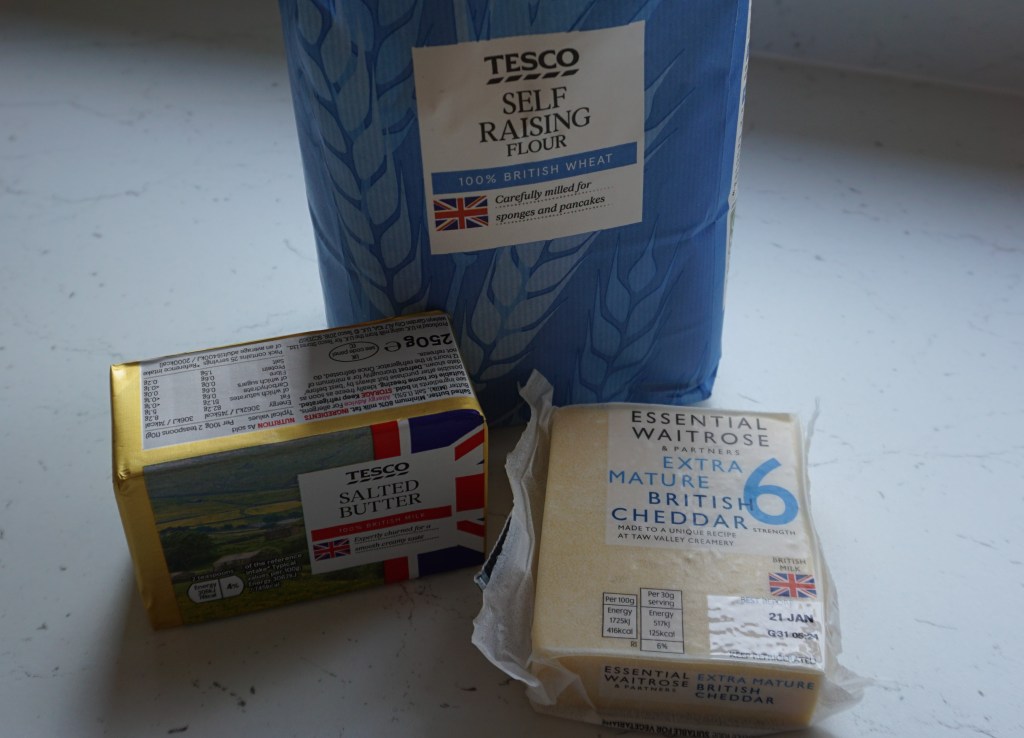
8 oz self-raising flour
2 oz hard butter
3 oz strong cheese, plus extra for topping
approximately 1/4 pint milk
Method
Switch on oven to 200 C.
Grease a flat baking tray – a swiss roll tin is perfect.
Put the flour into a mixing bowl.
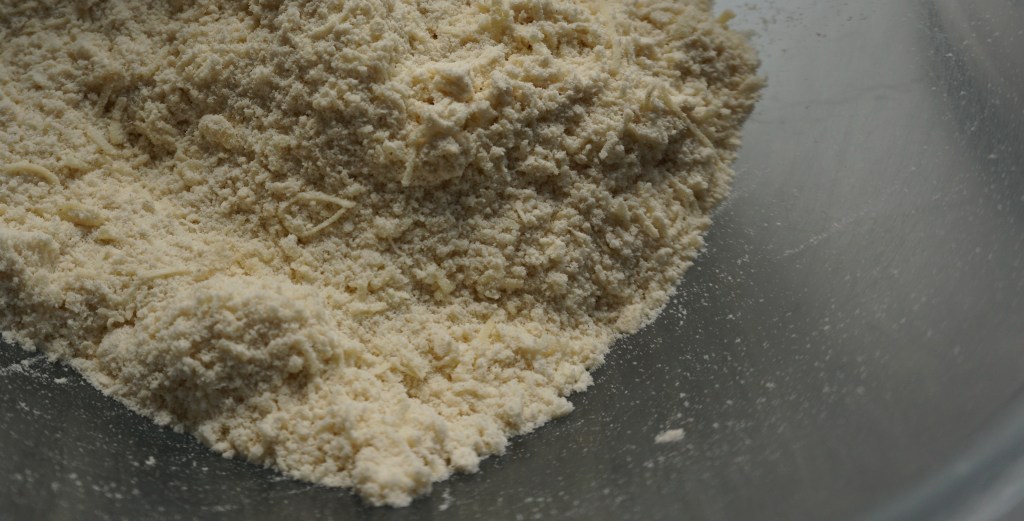
Cut the butter into small pieces and add to the flour. Rub the butter into the flour using your fingertips until no lumps are left. I use hard butter as it rubs in better than using spreadable butters.
Mix in the 3 oz of grated cheese. Strong cheese gives a better flavour – mine was classed as having a strength of 6.
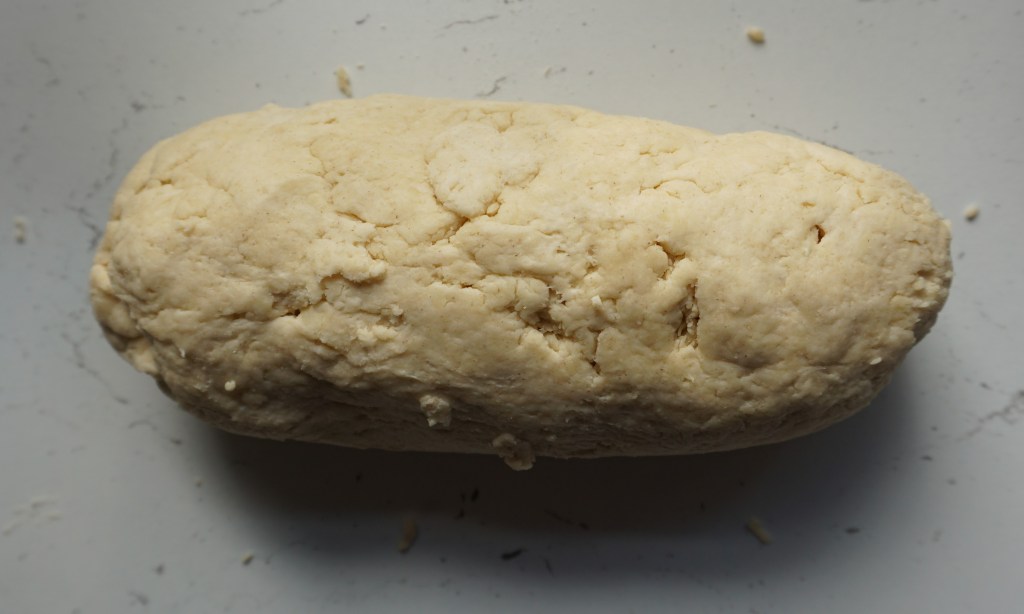
Add the milk a little at the time using your hand to blend it into the flour and butter mix. Gradually collect the mixture together into one piece. Knead lightly to form a soft dough.
Roll into a thick sausage shape, about two-inch diameter. Cut into 8 pieces. Knead each slightly into a round about an inch thick.
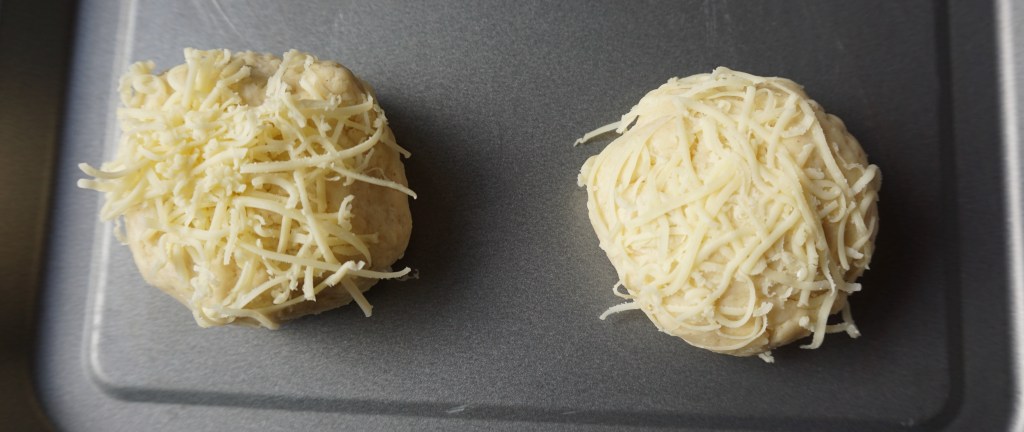
Add grated cheese on the top of each scone pressing gently so that it sticks to the scone.
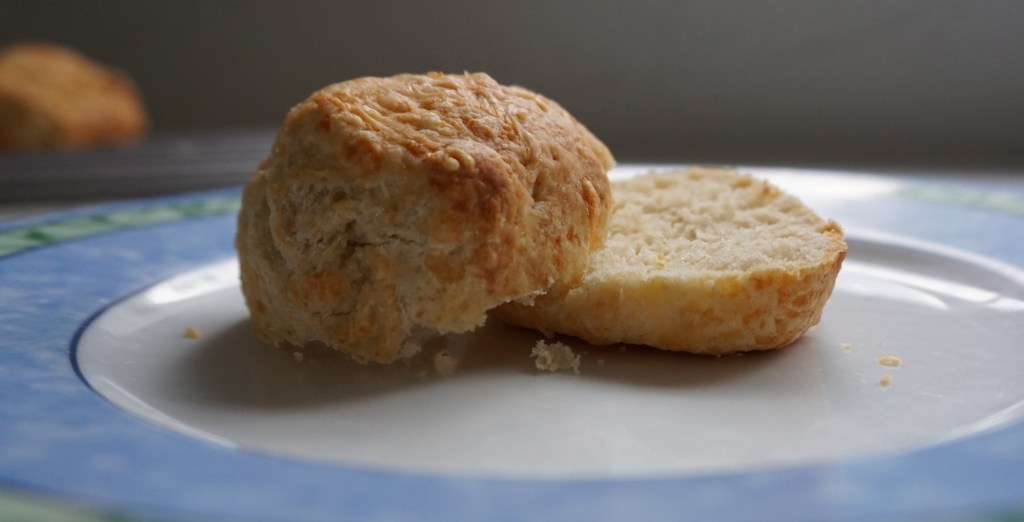
Place the scones on the greased baking tray and cook in the oven for fifteen minutes until well risen and golden.
When cooked, cool the scones on a slatted tray or trivet.
You can either eat these warm or cold. If you like, spread butter and jam in the middle. Perfect with a cup of tea.
I was given a gardener’s day book as a gift and it has inspired me to write about my garden. I won’t write every day but will jot things down and share them every now and again. Firstly, a look at the garden in August 2021
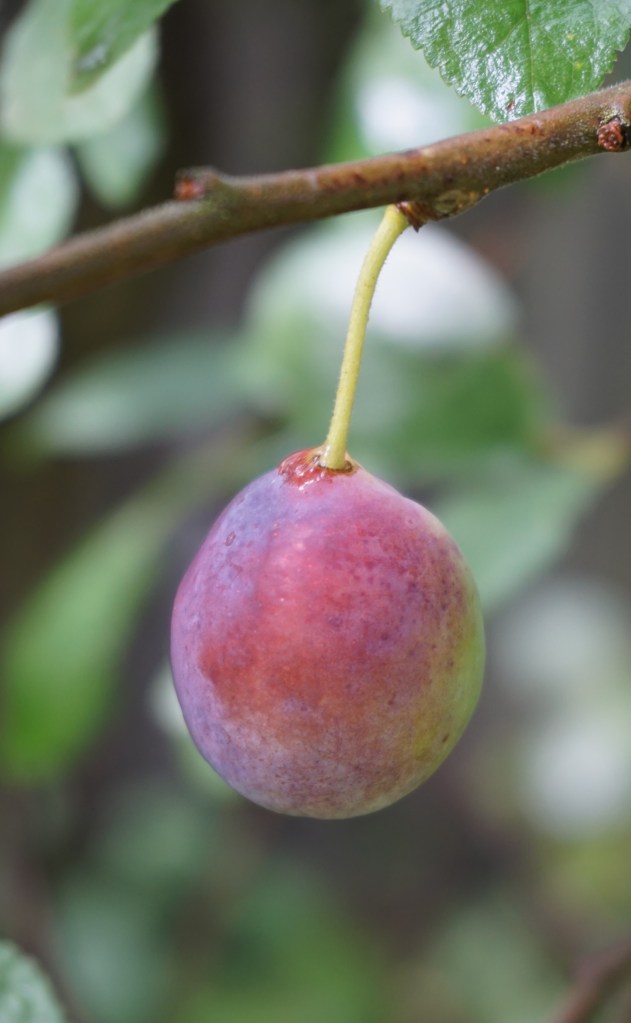
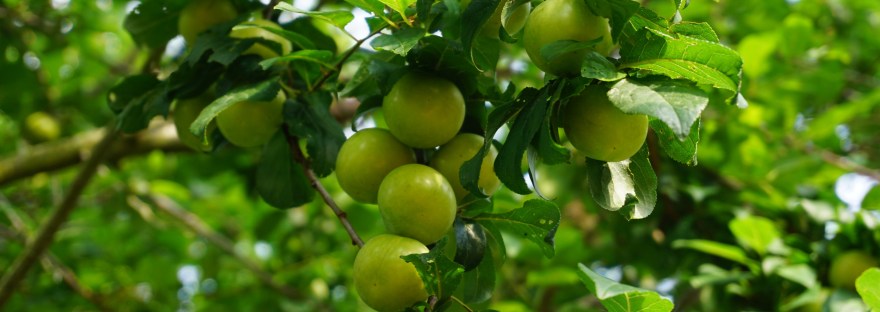
It was a cold spring this year but the wild greengage plum in the front garden has yielded over 30 lbs of plums despite the blackbirds feasting on them even while they were being picked. Previous years have only produced a handful of plums.
Date picked
Weight plums in pounds
25/07/2021
13
26/07/2021
9
30/07/2021
2
03/08/2021
7.5
The plums have been cooked and frozen, made into a plum pudding cake, given away and eaten as soon as they were picked.
Some of the first ones were underripe so they were left in the garage. They have ripened extremely well and were then eaten raw.
Stoned fruits should be pruned while the sap is still rising, so just after they have fruited is a good time. I’ve now pruned some low growing branches on the plum tree so that I can get the mower underneath.
I’ve also pruned a few branches on the damson tree. This was grown from a seed from the previous damson tree that was in the garden. It doesn’t usually have many damsons – only two this year.
The fourth of August was my flying ant day. There are a couple of ant nests in the garden and the flying ants always seem to happen on the same dry sunny day. They only appear for about an hour or two, then they are all gone.
On 6 August 2021 the rain gauge showed 0.3” rain from the previous night. It was a warm day, 22 C, but with a strong breeze and occasional showers and downpours.
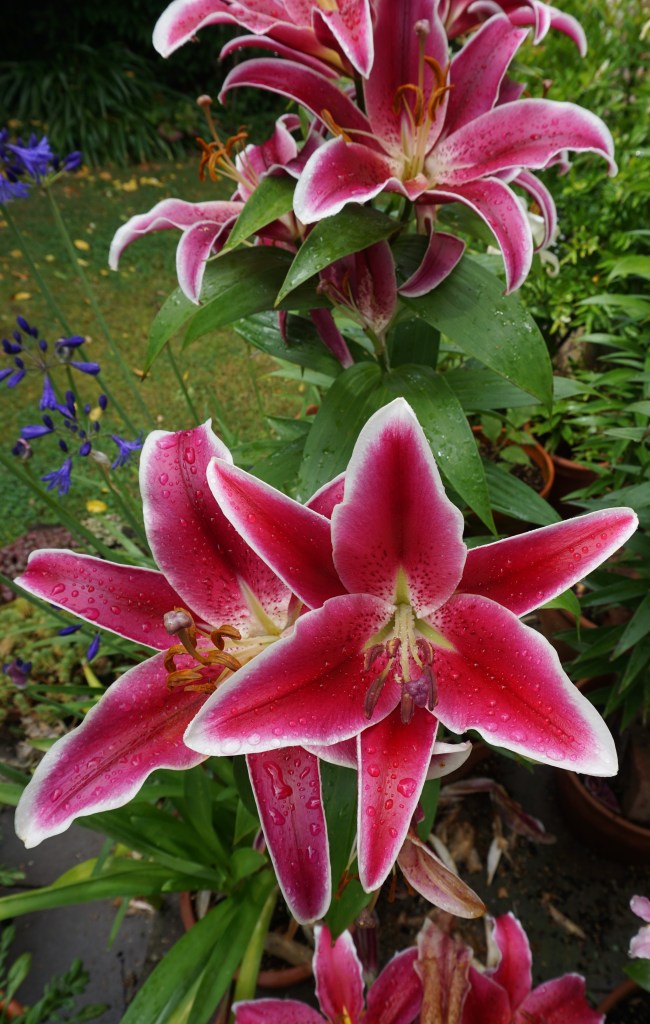
In the garden at the moment are the lilies in pots on the steps – some are already past their best but the pink ones are still wonderful.
They looked magnificent. I bought a collection from Harts Nursery called ‘Colourful Chelsea’ Lily Collection. They were a mix of Oriental and Oriental Trumpet lilies.
They attract both flies and wasps. But beware getting the pollen on you as it stains yellow.
As the petals fall off I cut off the flowering heads but left the leaves to continue to feed the bulbs for next year’s flowers.
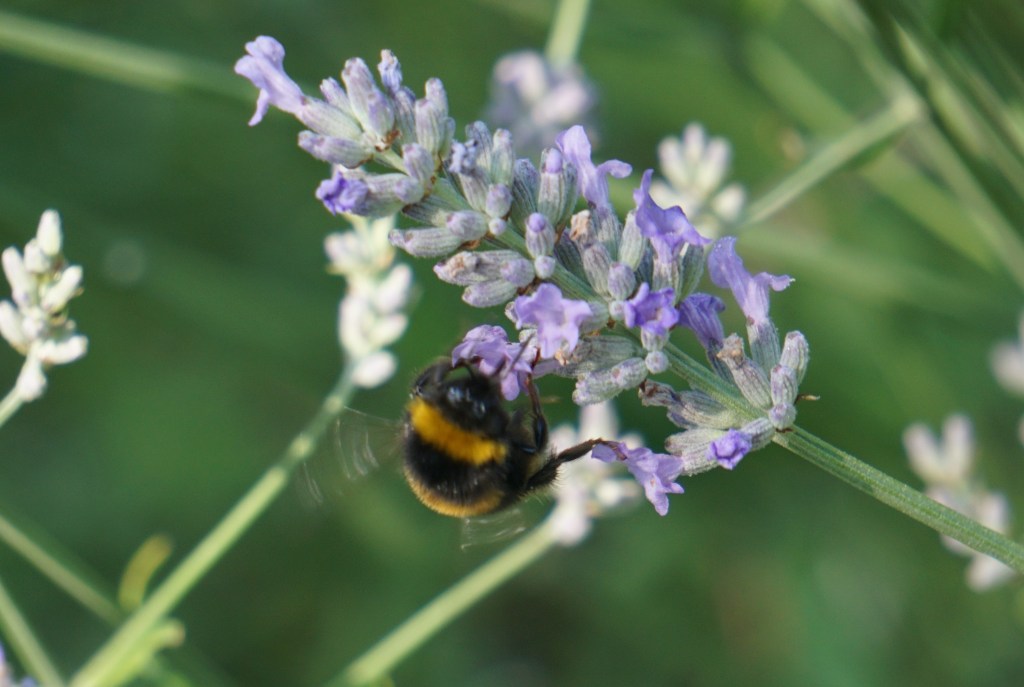
The English lavender is in full bloom. I have seen various bumble bees on there but only one honey bee. Honey bees have been scarce this year although there were plenty on the orange buddleia early in the year.
The gazanias are closed today as the sun is hiding behind the clouds. They are so bright when the sun is out. There are a couple of harebells flowering under the hawthorn hedge which were self-seeded. They had flowers earlier in the year which I cut back and more have now bloomed. The crocosmia is a lovely dark red. There is an abundance of common toadflax (Linaria vulgaris) with the yellow flowers like miniature antirrhinums.
The hollyhocks are in flower and the tall stems of the purpletop vervain (Verbena bonariensis) are blowing in the wind. They attract the bees.
The fuchsias in the front bed are doing well. They were moved earlier this year from a west facing fence in the back garden. They are now in a bed facing north and seem to like it better there. They are not over fond of hot sun.
In the small vegetable patch, there are two ready-to-eat courgettes – already I’ve eaten several small ones. When the flower dies I twist the stalk to remove them from the plant. There have been a continuous crop. I’ve eaten them all while they are small either steamed or fried with tomatoes as a base for an omelette. I picked the two ripe courgettes today and steamed them with some runner beans from my father’s garden.
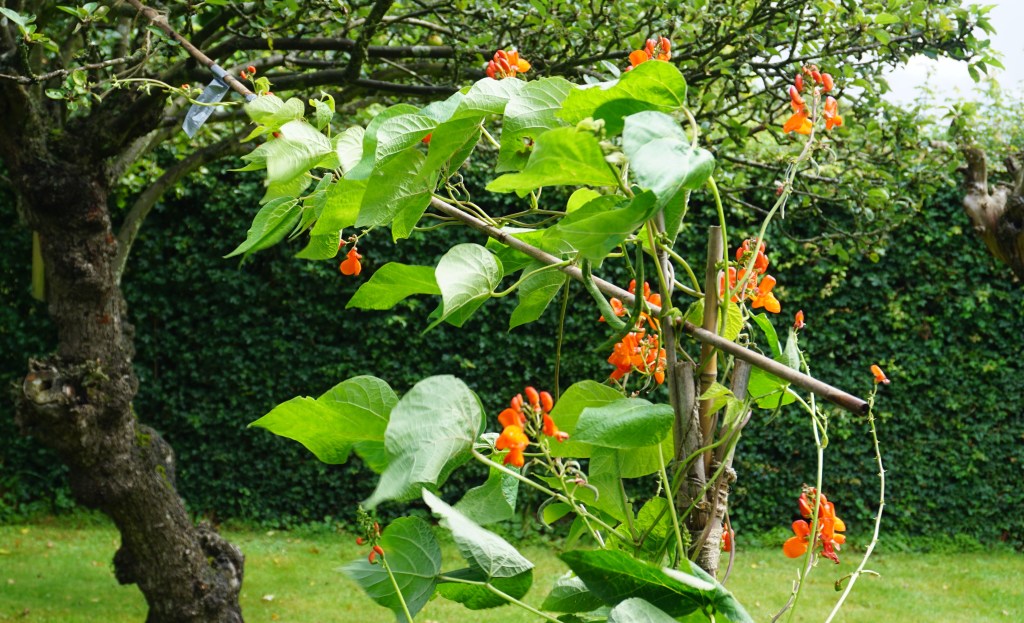
My runner beans have reached the top of the poles. I’ve attached a cane from the beans to the apple tree so the runners can climb further. The runner bean flowers took a while to set this year but now there are plenty of beans. I am also given lots of the ready-sliced variety from my father.
The tomatoes are ripening well. I’ve eaten several, picking them as I walk past. I usually add water gel crystals to the compost in the pots so that the plants hold the mositure better, but I must have forgotten in one pot. This tomato plant dries out more quickly than the others and it was noticeable as these tomatoes weren’t as juicy as usual. Extra water soon fixed that.
There are beetroot ready to harvest, I boiled a few and ate them with a salad. A couple had started to bolt so I pulled those up and added to the compost.
The chives have seeded so that there are hundreds of new ones growing all over the place.
The wild strawberries have berries on them. They look red but close up still have a lot of white so they need to wait a day or two longer. I forgot about them, then when I looked a few days later there were a handful ready to pick and eat. They have an intense flavour.
There was a good crop of strawberries this year although later than usual. Once they had finished fruiting, I chopped back the plants to about three inches from ground level. I did this for the first time last year, and think this helped with the good crop this year. The new leaves started to grow back and after a few weeks are the same size and height as before but look much fresher. The strawberries on the vegetable patch have sent out runners and I’ve encouraged these to be spaced apart.
The pineberry – a strawberry plant with a pineapple flavour was a huge success. The fruit starts green but is ripe when it has a pink blush. It tastes delicious. It had a large quantity of fruit and has sent several runners out.
The raspberries have finished fruiting and I’ve taken down the netting which protected them from the birds. There are many stems for next year’s fruit, some a lot taller than last years.
There are only a couple of walnuts on the tree. Last year there were plenty of walnuts. The sweet chestnut tree has several growing fruits on it. Last year they were very small but this years are starting to fill out.
There are two great spotted woodpeckers on the peanut feeders. Sometimes there are three of them in the garden, but then they chase each other. Earlier the adults were feeding the young.
When I returned one early evening, there were a troop of young wrens bobbing along the fence.
The blue tits are on the peanut feeders all day and have been all summer. Usually, blue tits aim to have their brood at the same time as caterpillars hatch out on the oak trees. The cold spring delayed the caterpillars so I suspect the parents fed the babies on the peanuts, hence the young blue tits now see peanuts as their main food.
The marjoram growing under the bay tree has still its white flowers which have been out for several weeks. This morning when I wandered round the garden between showers, I noticed a honey bee busy there.
The agapanthus is in full bloom with the blue flower heads looking gorgeous.
Cyclamen are one of my favourite flowers. I love the way the stem appears and the flowers secretly come out before the leaves emerge. They appear as the summer blooms are rapidly fading. The pink is almost a glow-in-the-dark colour. If you dig them up to transplant them the corms can be as big as dinner plates.
The first cyclamen appeared in mid-August. Not in my garden but in my fathers. I searched and searched for mine but they weren’t yet there. The next day I cut down some long grass and noticed some pink among it. It was the first cyclamen, now to go into a vase indoors.
The grass has been cut weekly this month. Oftentimes in August the grass becomes parched and dusty dry, but this year has been wetter and the grass has stayed green and growing. I enjoy cutting the grass, because as you go round the garden you can see reminders of jobs that need doing.
I was never one for taking particular care in have a neat grass edge, but having done it for a few weeks now it does make the whole garden look tidy.
I’ve weeded the garden quite regularly. Each season has its own flowers in bloom and the weeds are seasonal as well. I’ve cleared the ground around the new beech hedging.
And ready for next spring, the forget-me-nots have tiny seedlings growing in the borders.
That’s all for this month. I’ll update you at the end of September.
My greengage plum tree has had a super crop this year, but it has been a battle harvesting the plums as the blackbirds like them a lot. The trouble is the blackbirds don’t just eat one, they peck a hole and eat a little bit then go onto the next. I’ve picked several pounds of plums and stewed and frozen some, and given loads away.
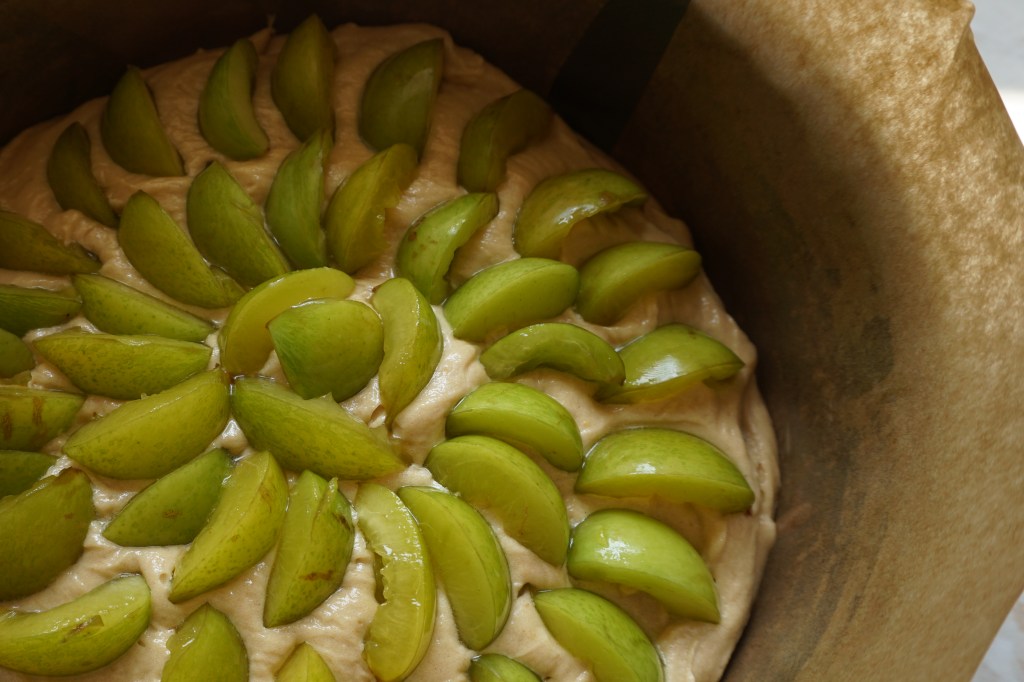
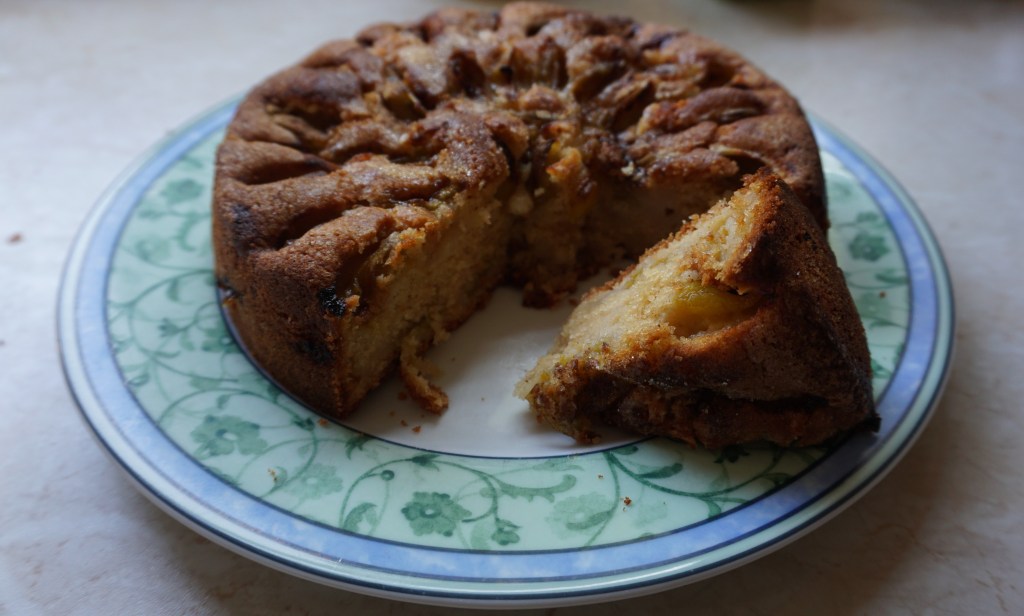
I decided I’d make something a little different and produced this plum pudding cake. It can be eaten either as a cake or with cream as a dessert.
If you don’t have greengage plums, any plums will be a good substitute.
Ingredients
Approximately 20 greengage plums quartered and stoned
4 oz butter
4 oz soft brown sugar
2 eggs
6 oz self-raising flour
1/2 level teaspoon cinnamon
2 dessertspoons granulated sugar
Method
Switch on oven to 180 C
Grease and line a 7 ½ inch cake tin with greaseproof paper.
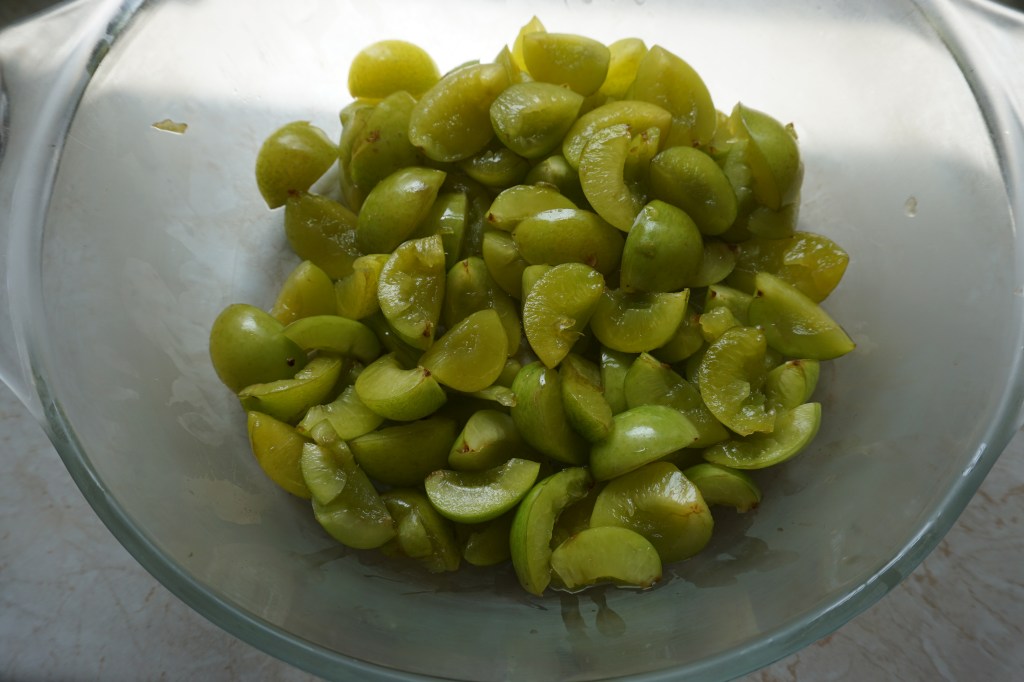
First quarter the plums. I score round each one with a knife then twist the sections off. Discard the stones.
In a bowl cream together the butter and sugar. Add one egg at a time beating each egg into the mix. Add the flour, stirring well to make a smooth mixture.
Put half the mix into the prepared cake tin, smoothing it level.
Layer half the quartered plums on top of the mix, pushing each quarter down slightly.
Spoon the rest of the mix on top, levelling as before.
Put the rest of the quartered plums on top pressing them into the mix slightly. I start with a circle round the outside, then inner circles from that. The whole surface should be mostly plums.
Sprinkle the cinnamon on top, then scatter the demerara sugar over to give a crunchy top. You can use more sugar if you like a sweeter taste.
Bake in the oven at 180 C (fan), for an hour and a quarter.
Remove the pudding cake from the tin, and if not eating it warm, cool on a wire rack. Remove the greaseproof paper.
Keep the plum pudding cake in an airtight tin.
The plum pudding cake can be eaten warm or cold either as a cake or a dessert.
My favourite is cold as a dessert served with thick cream, but then a slice with a cup of tea is rather good.
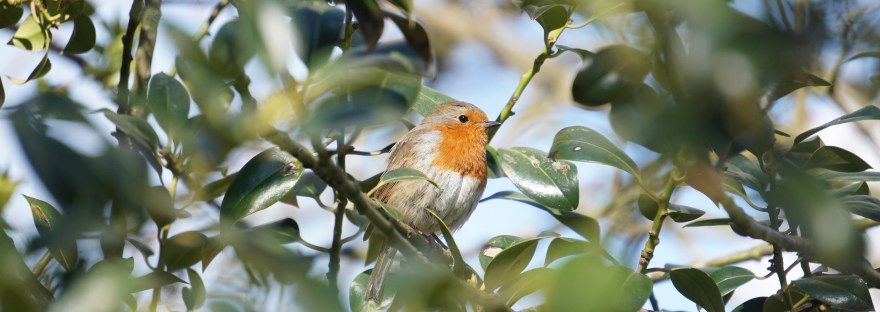
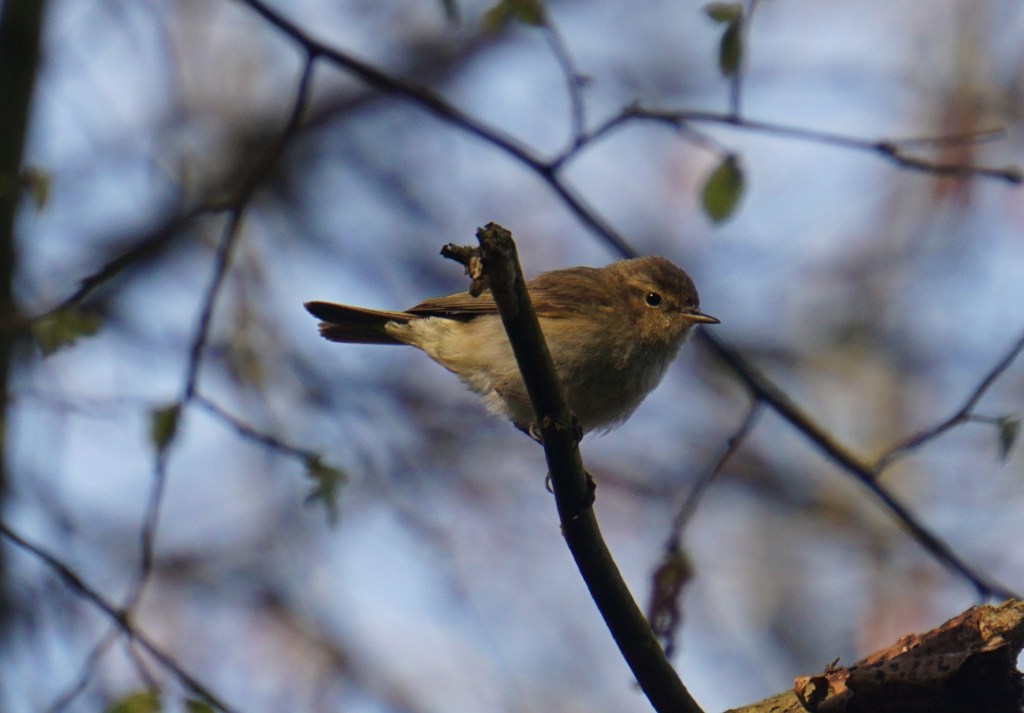
This week I heard the first cuckoo heralding the arrival of the summer migrants. The nightingales have returned and have started their singing. I’ve seen many birds lately on my morning walks and thought I’d share some pictures with you.
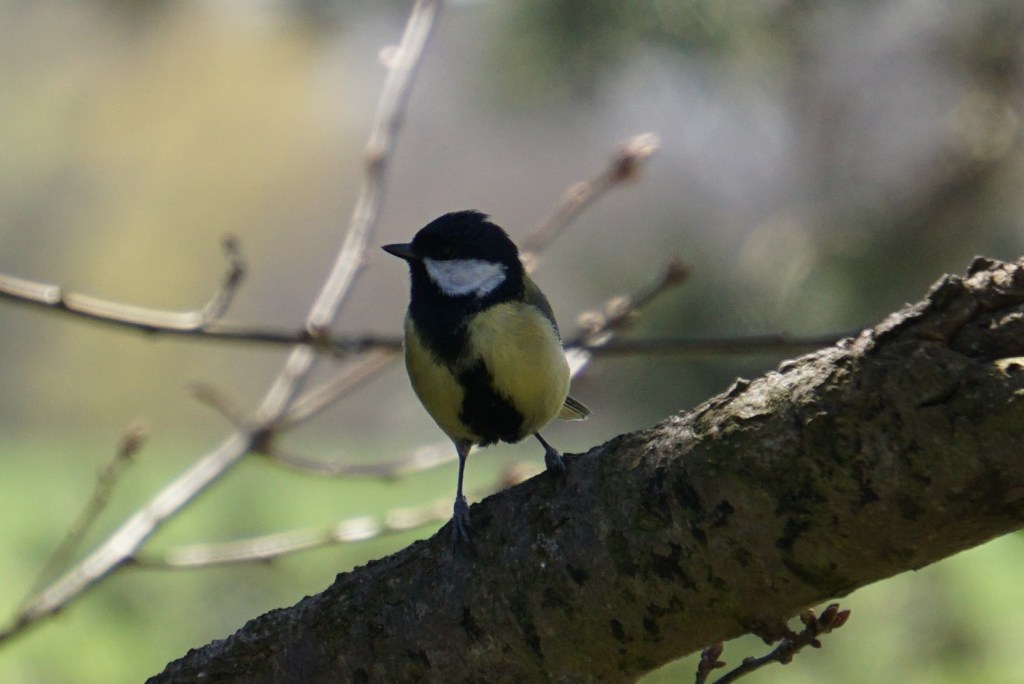
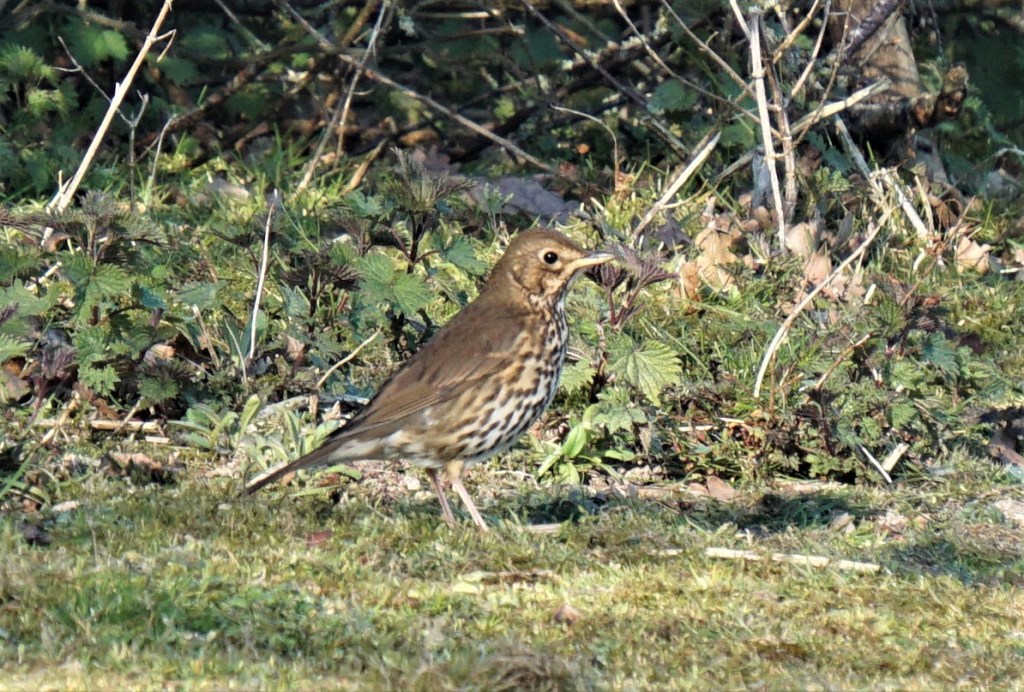
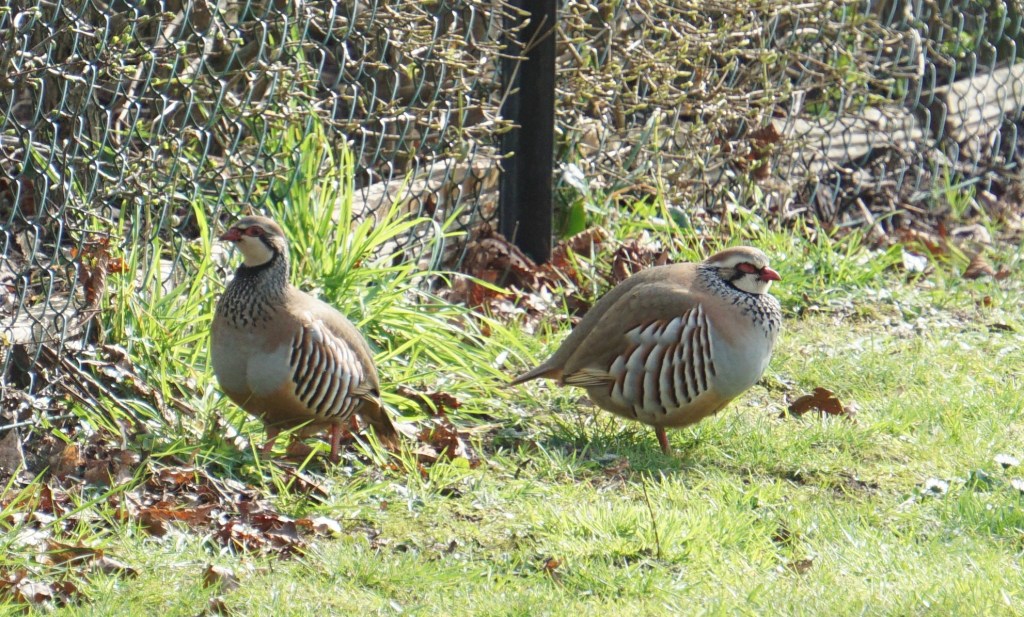
A chaffinch pulling the petals from the blackthornA chiffchaff amongst the branchesMy first ever sighting of a treecreeperA pied wagtail on overhead wires – I usually see them on the ground wagging their tail as they walkA great tit waiting its turn on the peanut feedersA green woodpecker in the field looking for ants and insectsA song thrush – what a beautiful song they singA pair of red-legged partridges visited the gardenA wren singing – they make such a loud noise for such a tiny birdAnd finally friend robin, who is always there
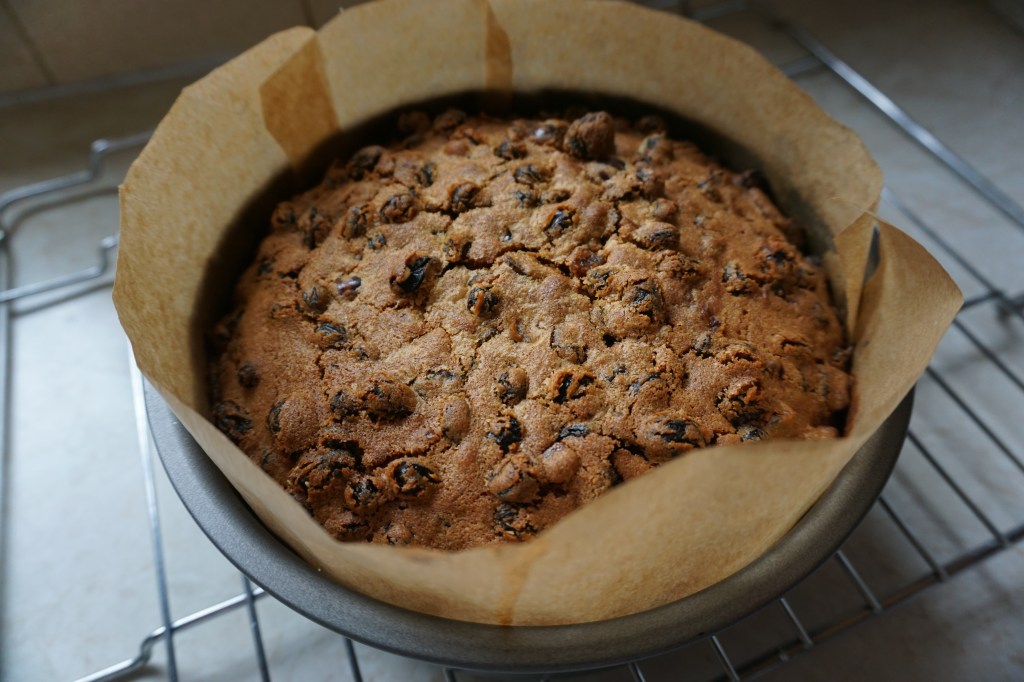
Simnel cake is one of my all-time favourite cakes as it combines a rich fruit cake with almond paste. I make it for Easter but it is good any time of the year. Once cooked and decorated it will keep for several days in an airtight tin – unless it gets eaten straightaway 😉
Ingredients for almond paste
10 oz ground almonds
5 oz icing sugar
5 oz caster sugar
1 egg
Ingredients for cake
6 oz butter
6 oz caster sugar
3 eggs
8 oz plain flour
15 oz mixed dried fruit
4 oz glace cherries, quartered
1/2 level teaspoon cinnamon
1/2 level teaspoon nutmeg
Switch on oven to 150 C
Grease and line a 7 ½ inch cake tin with greaseproof paper.
Make the almond paste.
Put the dry ingredients for the almond paste into a bowl. Mix together, removing any lumps in the sugar. Lightly beat the egg and add to the dry mix.
Knead together to make a solid paste. It may appear dry at first but as you work it, the oil from the almonds will make it pliable. Divide in half. Put one half in foil in the fridge until needed later. With the other half make a disc slightly smaller than the cake tin and put to one side.
Now for the cake. In a bowl put the flour, dried fruit and cherries. Add the cinnamon and nutmeg. I use whole nutmegs and have an amazing tiny grater to grate them with. Mix together so that all the dried fruit is separated and covered in flour.
In a separate bowl cream together the butter and sugar. Add one egg at a time, beating each egg into the mix.
Fold in the dried ingredients combining them until there are no signs of flour on the fruit. If the mixture does not drop easily from the spoon add a small amount of milk.
Put half the mix into the prepared cake tin, smoothing it and bringing it slightly up the edges. Place the rolled out almond paste on top, then spoon the rest of the mix on top. Smooth the top making a dip in the centre.
Bake in a cool oven, 150 C, for two and a half to three hours.
Cool in the tin on a wire rack.
When the cake is completely cool, remove from the tin and take off the paper that lined the tin.
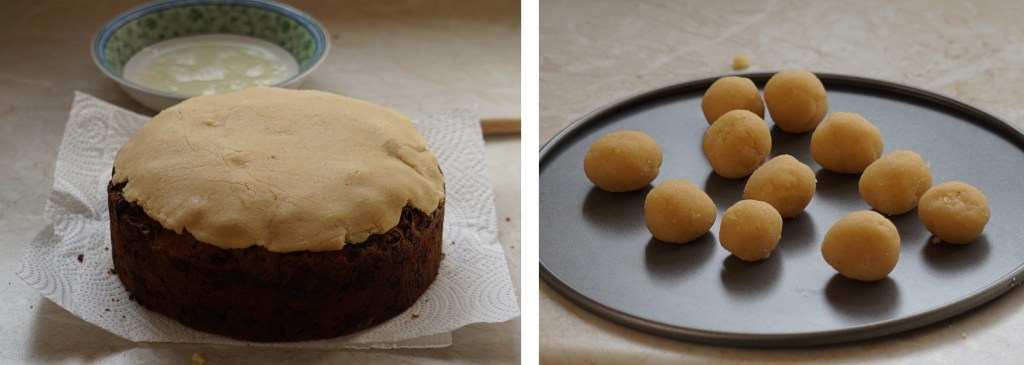
Take the rest of the almond paste and divide into half. Roll one half into a circle slightly smaller than the simnel cake.
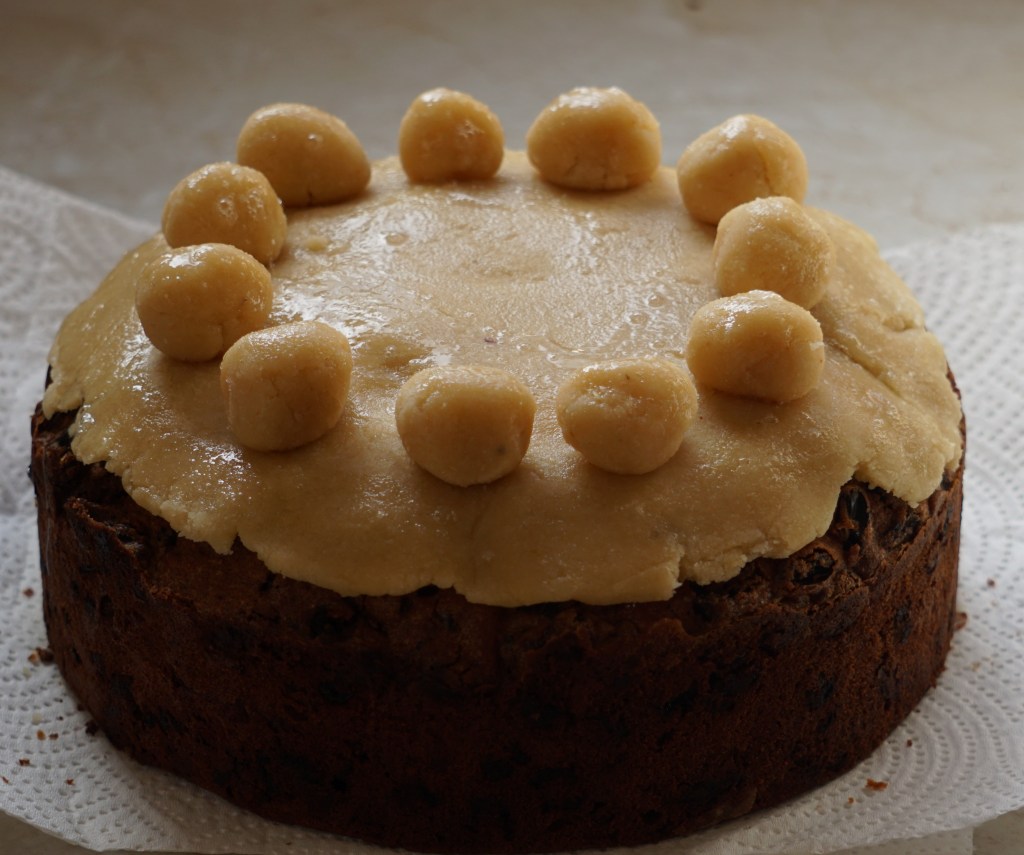
Brush the top of the cake with egg white or melted jam, then place the circle of almond paste on top.
With the other half of the almond paste make eleven balls. Using egg white to stick them, place them around the edge of the circle of almond paste. Paint egg white over the tops of the balls and on the almond paste circle.
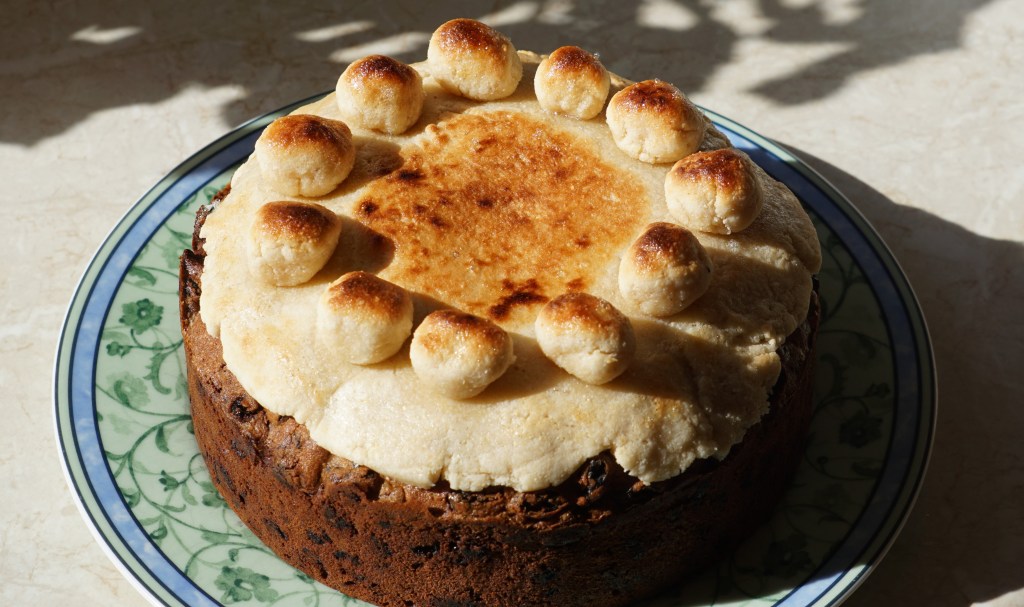
Place the whole cake under a medium grill until the tops turn golden brown – there will be a wonderful smell of roasting almonds.
The simnel cake is now complete. Keep it in an airtight tin.


















 Nannie RaRa