nature, Travel

Galapagos adventure – Santa Cruz

We next went to Puerto Ayora, the main commercial port on Isla Santa Cruz. We boarded a bus to take us to the Charles Darwin Research Centre. Among other research, is a program to breed giant tortoises. We saw lots of young ones that had hatched that year.
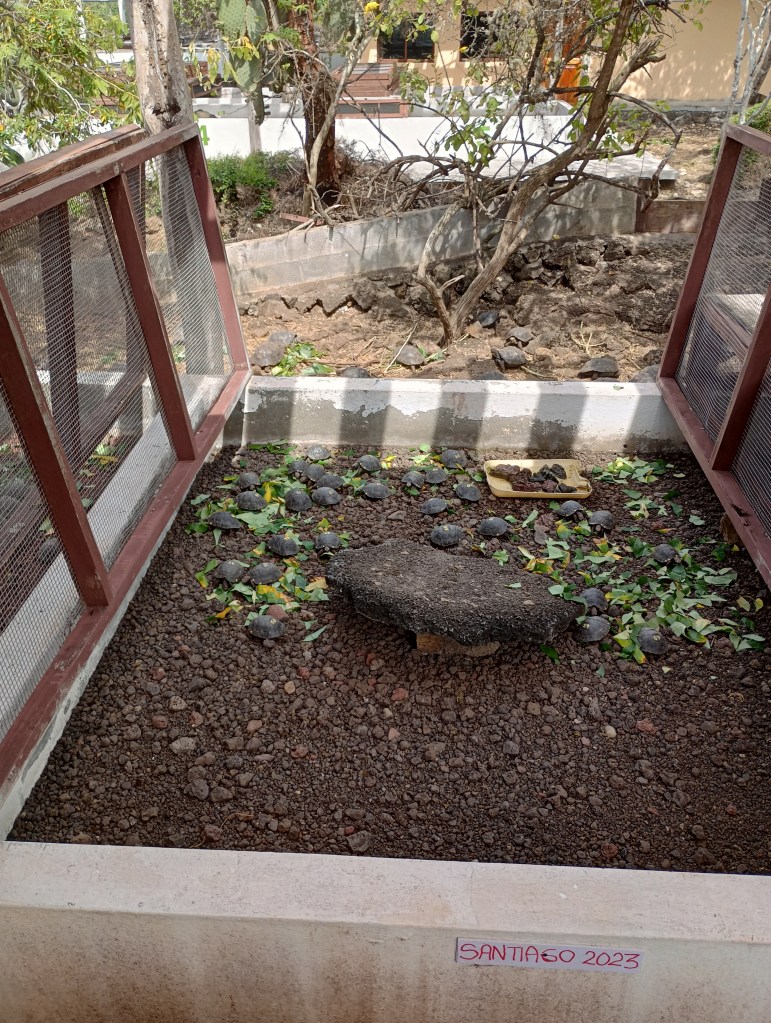
giant tortoises hatched in 2023

They are released when they are about five years old onto the island they originally came from. The program has been so successful that this year, 2023, is the last year they will need to breed tortoises from Santiago island as the species has recovered.

We then went on a 4/5 km bike ride on the public road. I had to push my bike up several of the hills but my grandson did them all easily. We ended at a local sugar cane mill.

They had a hand mill for crushing the sugar cane.

manual sugar cane crusher

My grandson and another person had a go at turning the wheel to crush the sugar cane. The farmer has been growing and producing sugar from sugar cane for over forty years. He now has a mechanised method for crushing the cane which halves the production time.
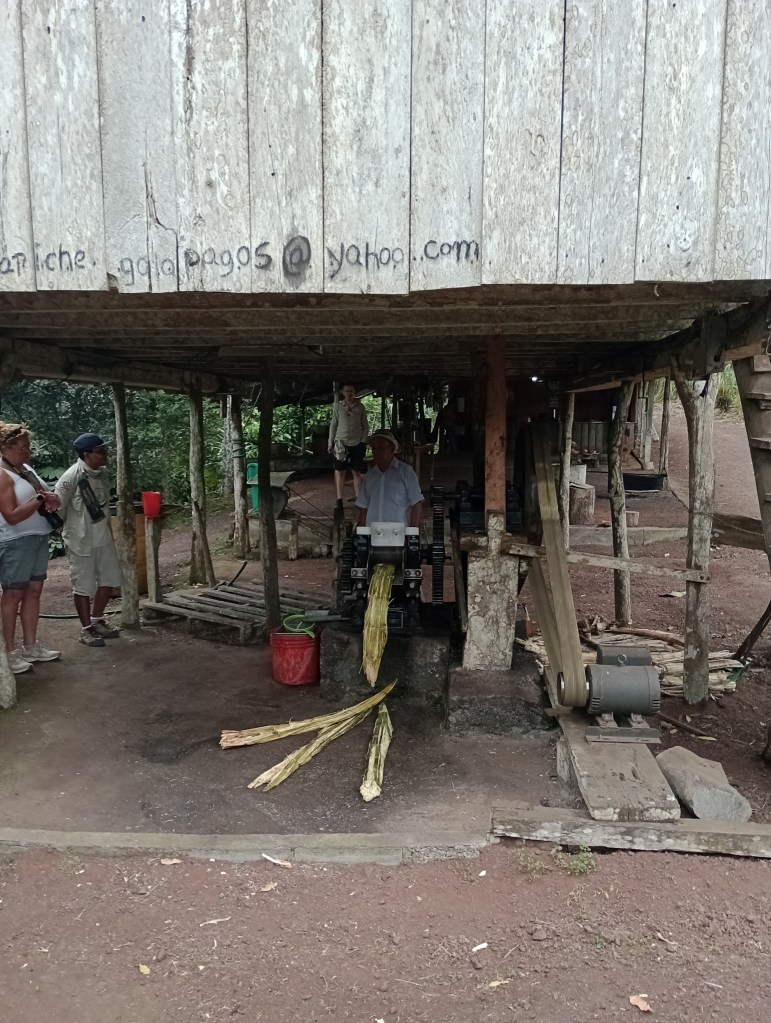
mechanised sugar cane crusher

The farmer then showed us the tin bath where he leaves the sugar to ferment for a few days before running it through a still to produce moonshine at about 55% proof.
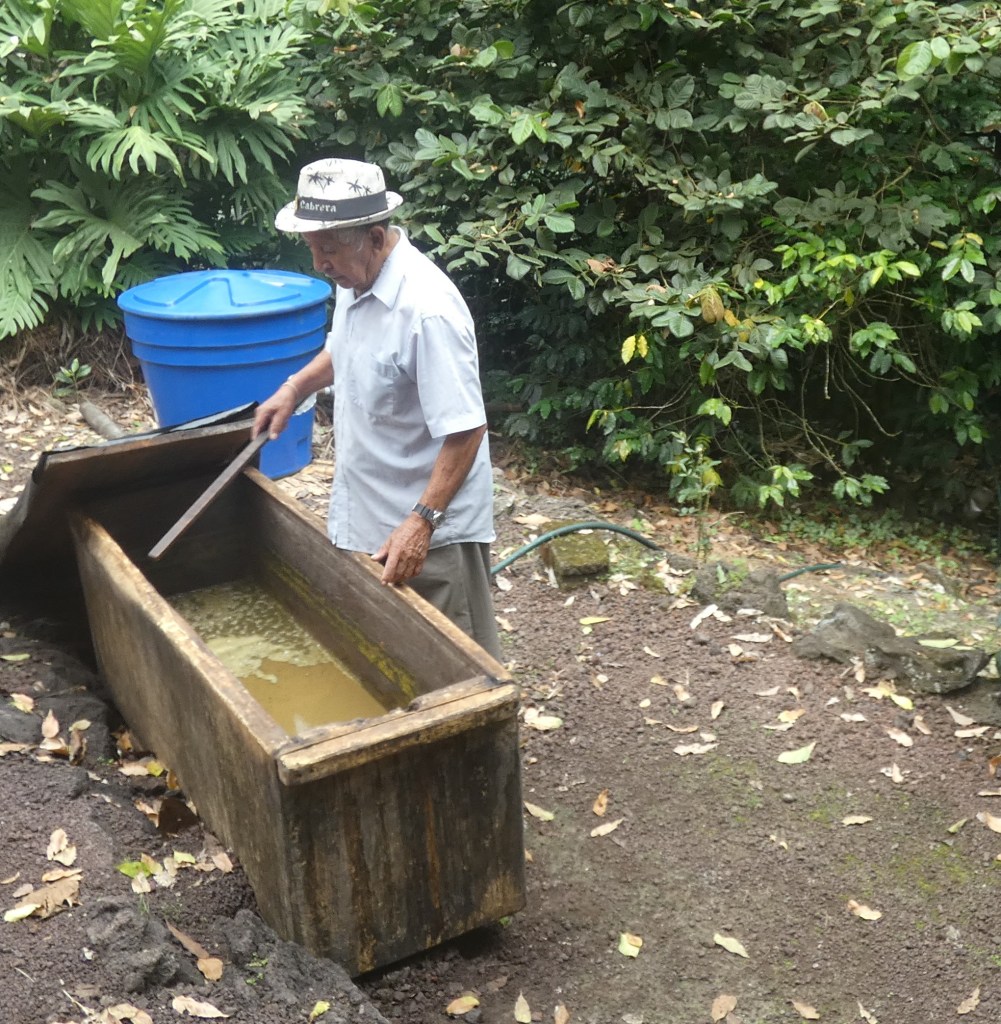
fermenting moonshine

He threw some of the liquor on the fire to show us its strength.

We all got to try the moonshine – it was a lot smoother than I expected. We bought a bottle to bring back with us.

The farmer also grows coffee and cocoa. He showed us how he prepares the coffee beans and also the cocoa.

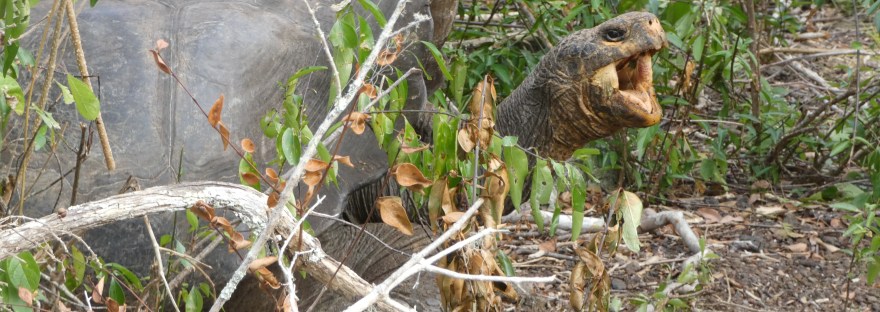
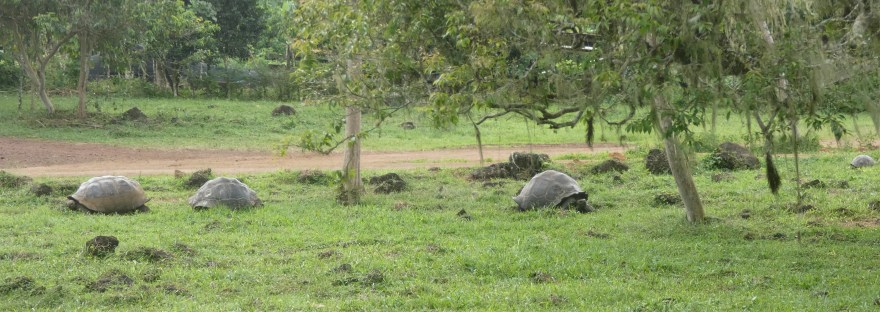
We had lunch at a natural tortoise reserve in the highlands. The giant tortoises wander freely in their natural environment. The landowners have to keep spaces in their fences for the tortoises to get through if they want to – similar to our hedgehog tunnels in the UK. We saw about 30-40 giant tortoises wandering about, some as old as 100 and some youngsters of about 20.
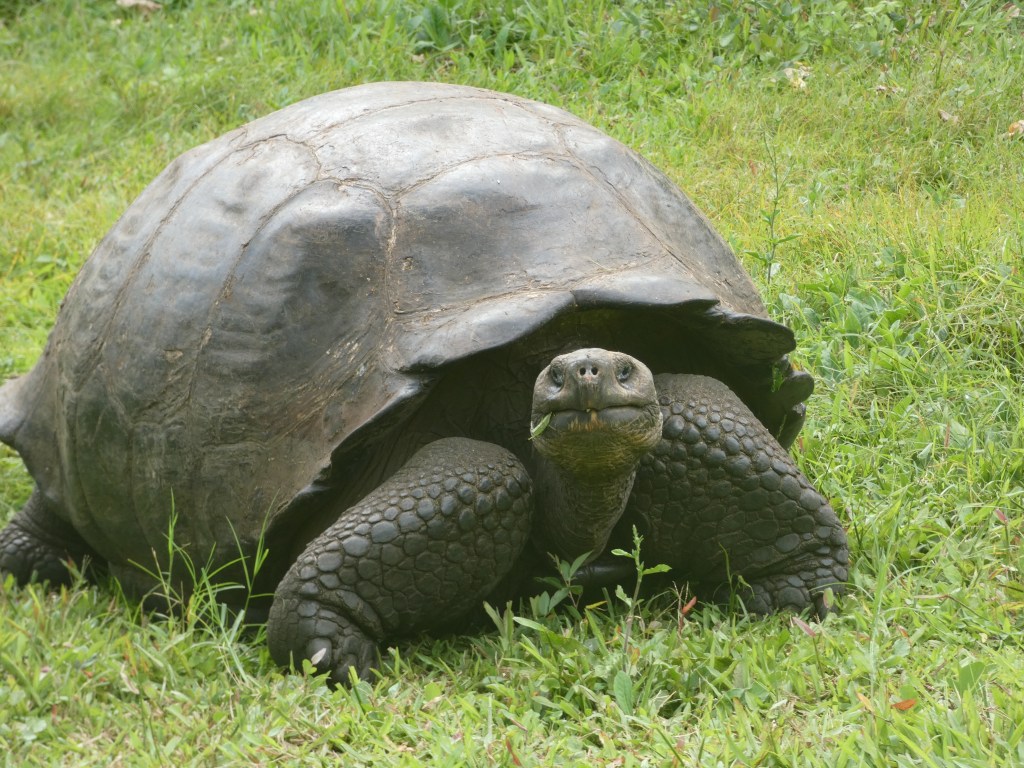
giant tortoise

We then stopped at a lava tube where a barn owl was roosting. The barn owl just sat there while we took photos and wandered past.

barn owl

The lava tunnel was not very long but the steps at the far end had loads of spiders sitting in their webs. The guide walked ahead brushing them away so by the time I got there it was quite clear. My grandson who is rather tall had to bend down to stop him getting cobwebs and spiders in his hair.

spiders in their webs

Previous: Galapagos adventure – Santa Fe
Next: Galapagos adventure – Espanola

nature, Travel

Galapagos adventure – San Cristobel

The next day we made two stops at San Cristobel Island. The first stop was an early start with a walk at 6.30 in the morning. The ships are allocated dates and times when they can visit places to ensure the islands are not over visited.

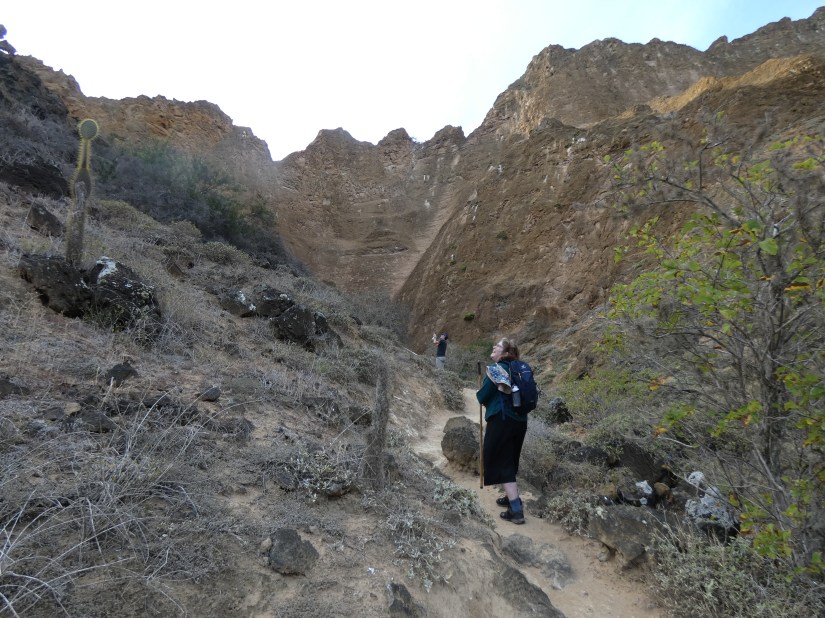
Our walk was to find the red-footed booby which only lives on a couple of the islands. San Cristobel is one of the oldest islands in the Galapagos and our path was among the rocks.

San Cristobel island

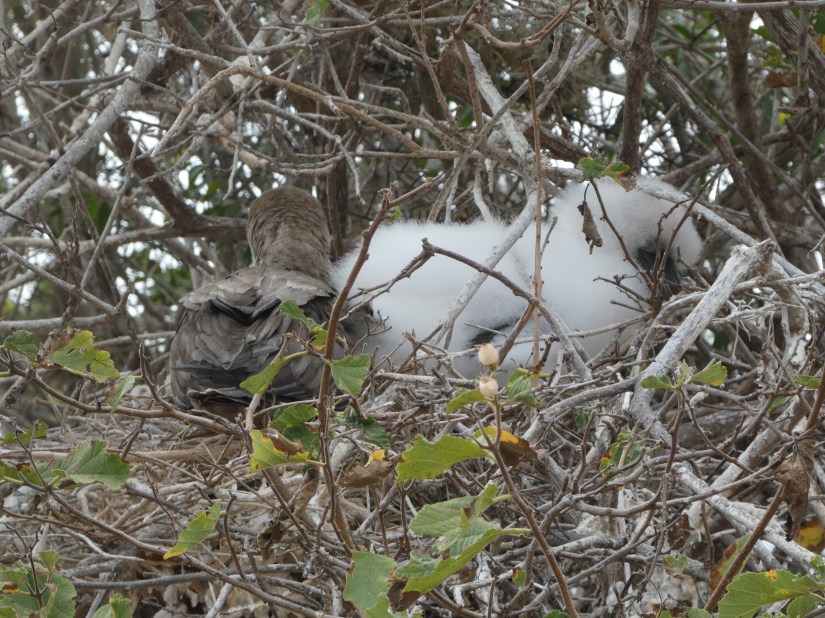
We found several red-footed boobies including a fluffy white one on its nest in the bushes.

red-footed booby

A pair of the red-footed boobies were sharing sticks on their nest.

There were some blue-footed boobies as well and a Nazca booby. There were several finches and more frigate birds flying around.

We came back to the ship for breakfast and collected our gear for deep-water snorkelling. We saw brightly coloured fish, a sea turtle, and a ray – sea lions swam around us.

We saw a goat on the cliff while we were snorkelling. Goats were introduced onto the islands by sailors, hoping they could use them as fresh food next time they visited. Unfortunately, they have now become a pest and there are regular culls of them.

In the afternoon we went to the Cerro Colorado Tortoise Reserve in the highlands of San Cristobel. The reserve is breeding giant tortoises and releasing them back into the wild onto the island they originally came from.

giant tortoise

The population of giant tortoises was almost completely destroyed as the ships used to take tortoises for food. The tortoises would last for months on board without food or water so were easy to maintain. If the ship got into trouble, the tortoises were just jettisoned overboard. There are now 11 species of giant tortoise, down from the original 15, but their numbers are recovering due to the breeding program.

The sanctuary has tortoises wandering around in semi-captivity as well as those growing up. These tortoises were saddlebacks. They have long necks and when fighting each other, extend their necks and the longest neck is the winner!

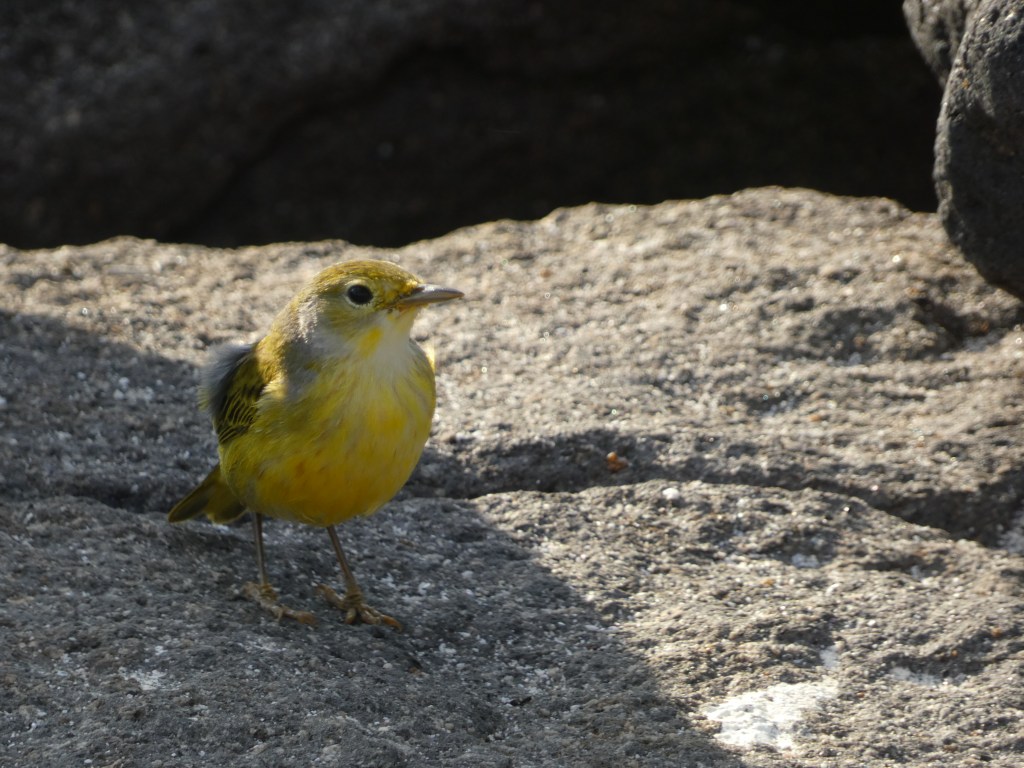
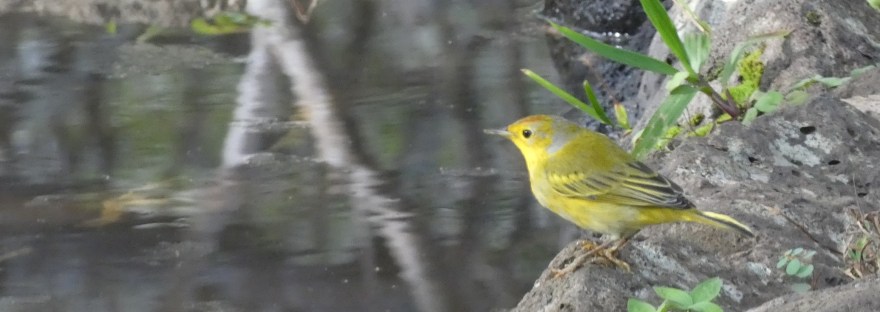
We saw lots of yellow warblers.

A feral cat came near and the warblers flew to the tree tops making a huge noise. There was a mocking bird around but it was hard to see.

Previous: Galapagos adventure – Mosquera Islet

Next: Galapagos adventure – Santa Fe
nature, Travel

Galapagos adventure – Santa Fe
The next day we went for a walk on Santa Fe Island. It is not a very high island but it was very hot. Santa Fe has many mature prickly cacti, some a hundred years old, as they don’t have many predators eating them – apart from a few iguanas.

There were many sea lions on the beach – we encountered them on all our landings.

We also saw the Galapagos hawk and several mocking birds.

We saw Santa Fe land iguanas, both male and female – the male being the larger. As they walked along, they clicked their heads.

They even walked between us as we stood there, and watched us as we watched them eating.

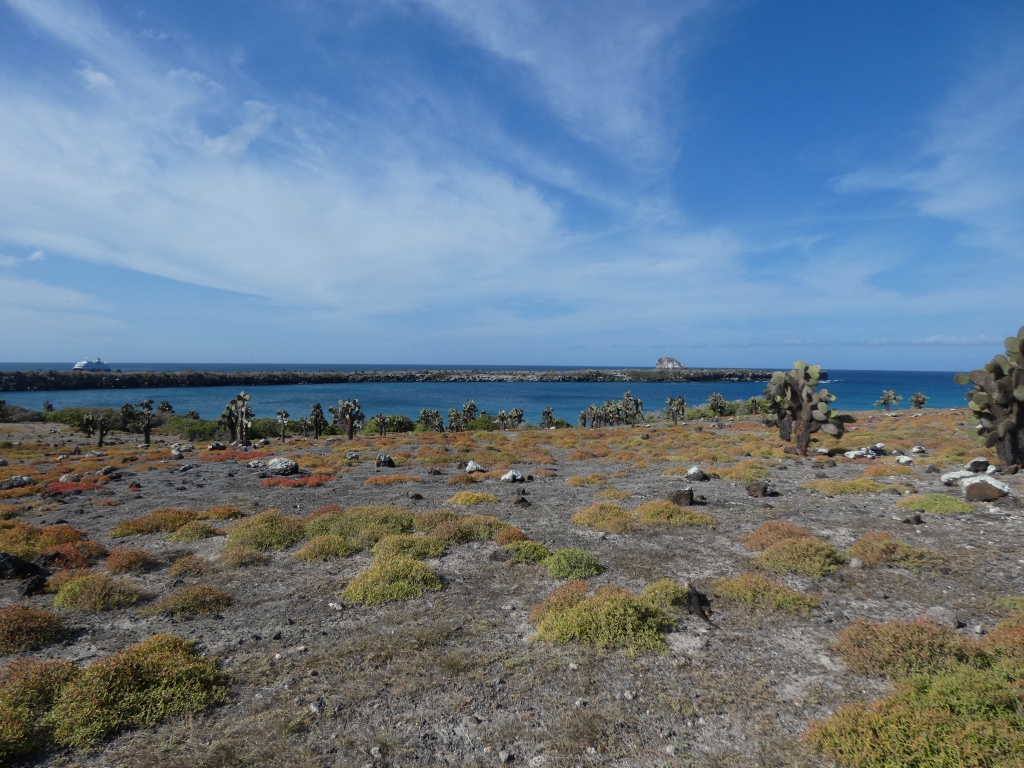
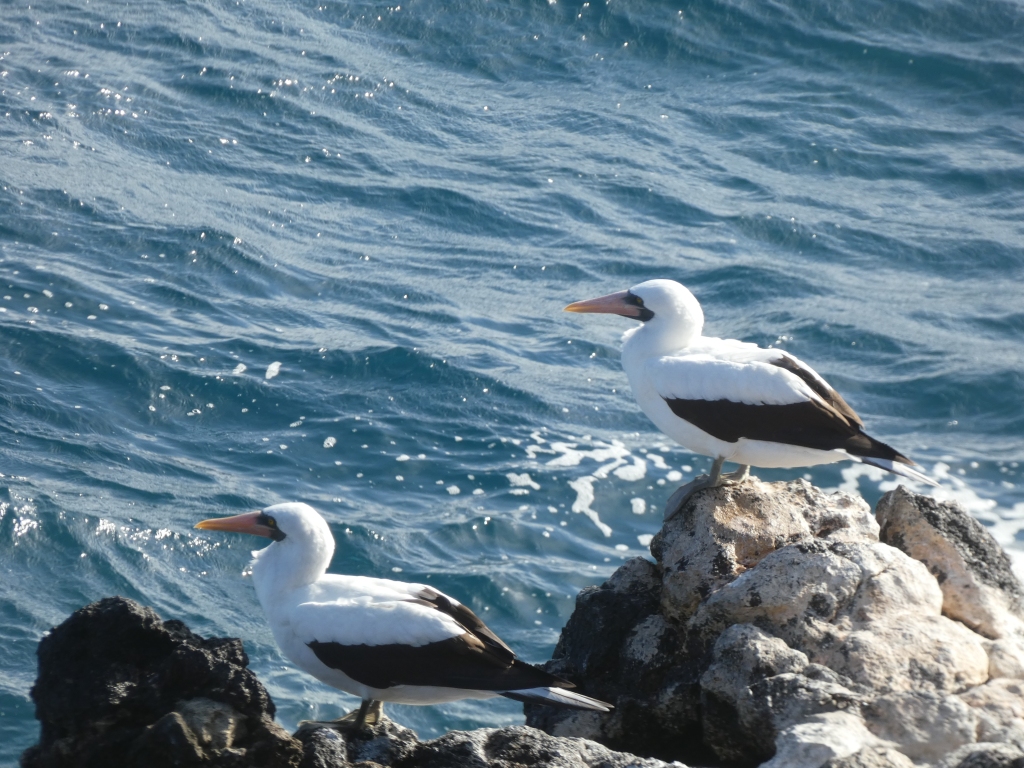
We did some more snorkelling at Santa Fe, then went for a walk round Santa Cruz Sur – this time it was a dry landing. Here were land iguanas and Nasca boobies.

Again the landscape was different.

santa cruz sur

There were several Nazca boobies along the cliff.

nazca booby

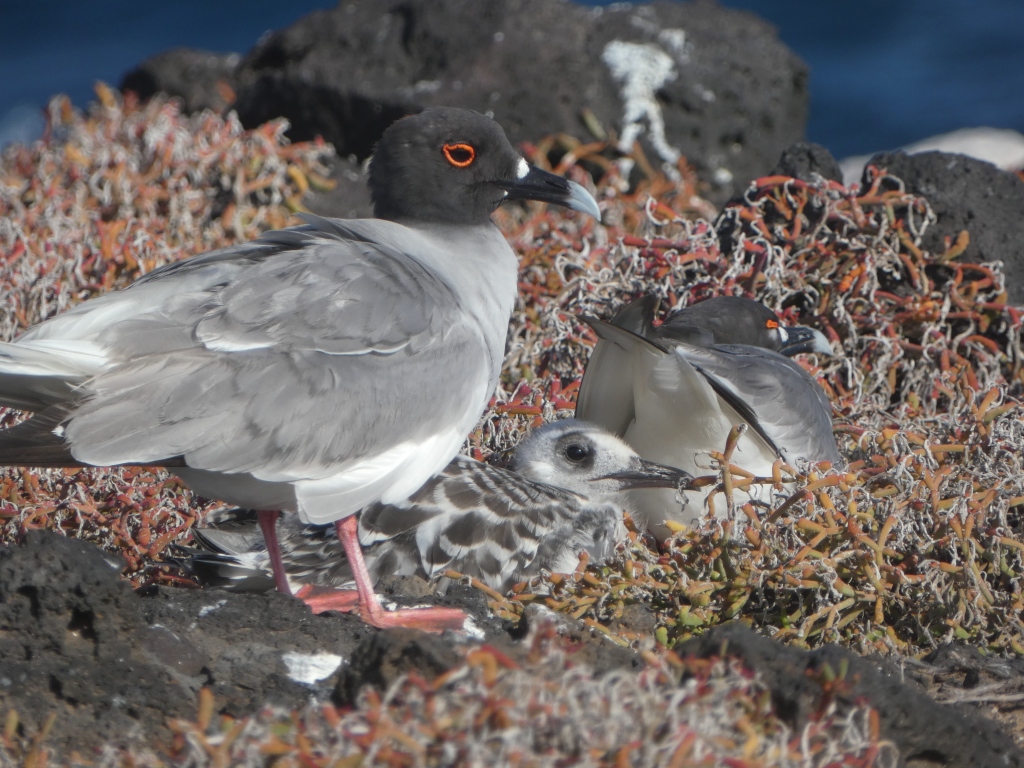
Swallow-tailed gulls had made their nest there are were rearing their young.

swallow-tailed gull

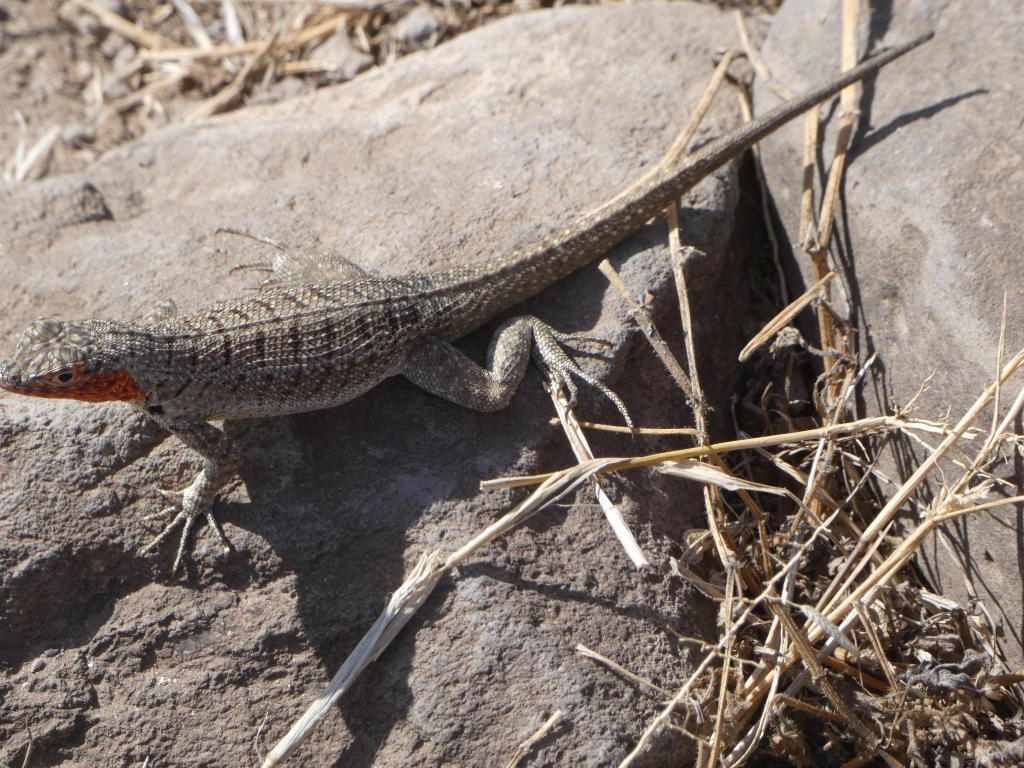
There were lava lizards and land iguanas here as well.

lava lizard

We saw a land iguana standing on its hind legs to reach and eat a prickly pear cactus.

Previous: Galapagos adventure – San Cristobel

Next: Galapagos adventure – Santa Cruz

nature, Travel

Galapagos adventure – Mosquera Islet

What an experience! I have just returned from a visit to the Galapagos islands and would say to everyone – do go and see the marvellous wildlife.

I spent six days on board MS Santa Cruz II, a Hurtigruten expedition. There were only fourteen guests, so we had an exceptional time.

Baltra airport, Galapagos

We landed at Baltra airport. We had to hand over our Transit Control Card (TCC) – cost $20. Our carry-on luggage was x-rayed and checked that we were not bringing any fruit or seeds into the Galapagos. One-use plastics are also banned there. We also had to pay the Galapagos National Park entrance fee of $100. Our hold luggage was subject to a K9 inspection – a dog sniffed it all to check for contraband.

Then we left the airport to get on our coach. Outside were cactus and tropical plants and in among them our first encounter with iguanas. Two were just sitting there basking in the heat and a third was wandering around.

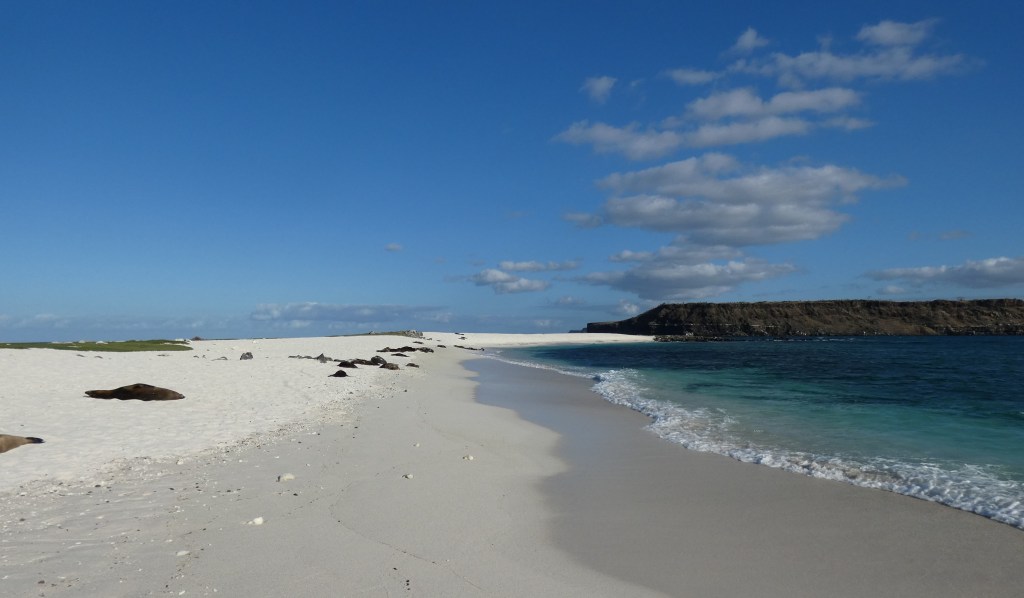
A ten-minute bus ride and we boarded a panga to go out to our ship. No sooner had we arrived at our ship and had our safety briefing, then we left for our first landing, on Mosquera Islet. Ahead of us was a long white beach. We went by panga and had a wet landing where we paddled to get on shore.

Beach on Mosquera Islet

All visitors to Galapagos must be accompanied by a certified naturalist guide, and our one was so knowledgeable and answered all our questions.

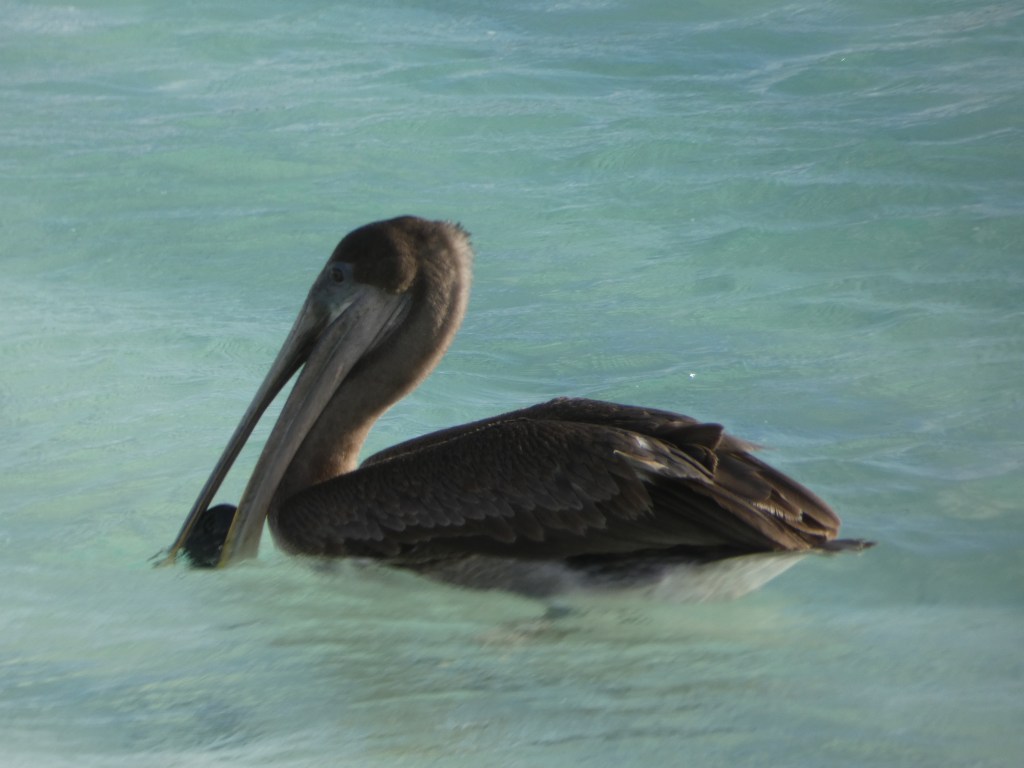
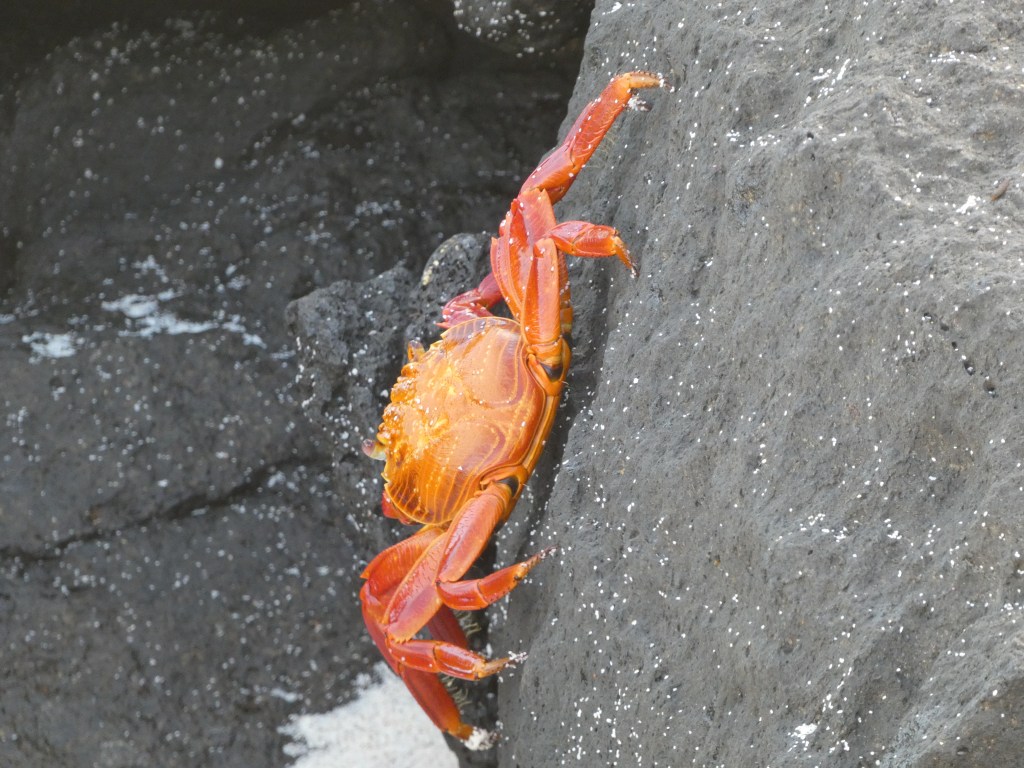
On the beach were sea lions, having a nap or just lying there ignoring us. There was a pelican by the edge of the shore fishing, sally light-foot crabs on the rocks, lava lizards hot-footing it on the sand, and a marine iguana lying on a log.

Sea lion
Pelican fishing
Sally light-foot crab

None of the animals and birds were concerned about us, they didn’t run away as we got close. We had to stay two metres away from them but sometimes they would approach us.

As well as the pelican we saw frigate birds and the red-billed tropic bird – a beautiful white bird with a long, long tail. Later on, we spotted a yellow warbler on the sand near to a whale skeleton.

yellow warbler

A wonderful start to our Galapagos adventure.

Next: Galapagos adventure – San Cristobel